If you picture Chelsea living as equal parts skyline, gallery district, and daily park access, the blocks near the High Line probably sit high on your list. But once you start browsing, you quickly see that “living near the High Line” can mean very different things depending on the building, ownership type, and exact pocket of West Chelsea. This guide will help you understand what condo and co-op options look like near the High Line, how pricing tends to differ, and what to watch for before you buy. Let’s dive in.
High Line Living in West Chelsea
West Chelsea is the part of Chelsea most closely shaped by the High Line. City planning documents describe it as a former industrial and manufacturing area that evolved into a mixed-use residential and commercial corridor, with the park influencing both neighborhood life and zoning.
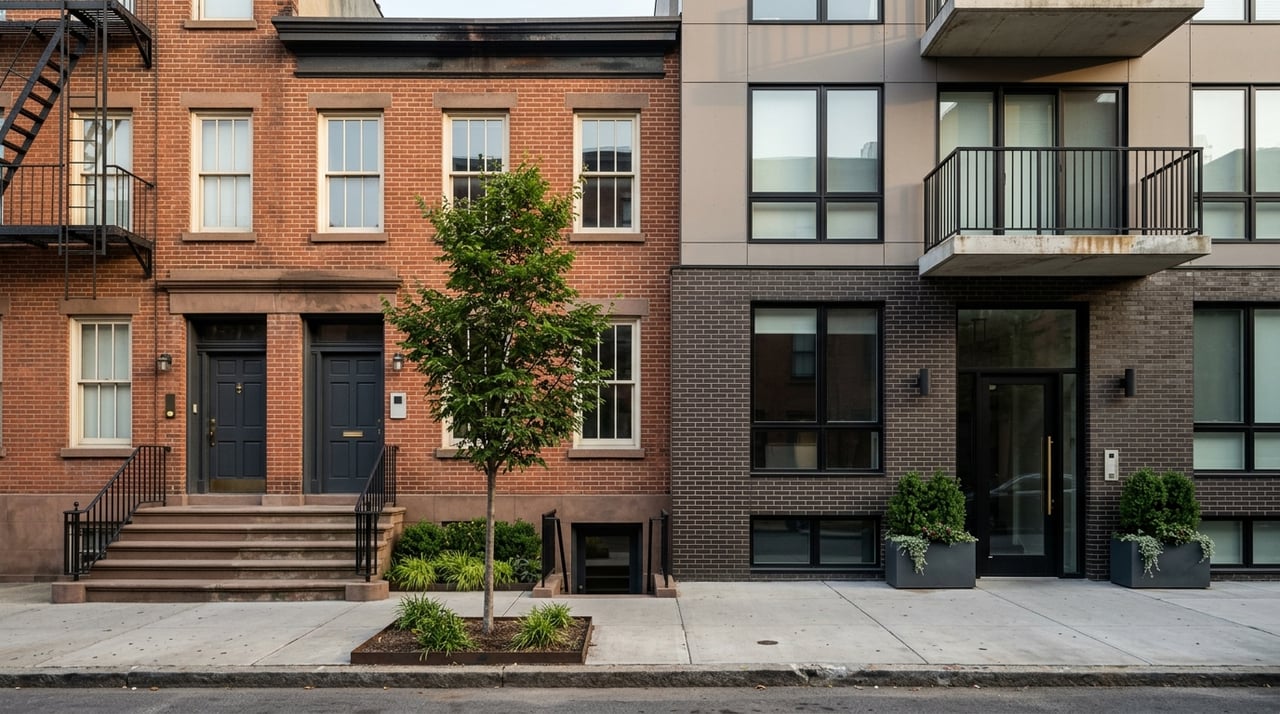
That history still shows up in the streetscape. You will find a mix of converted loft-style buildings, walk-up apartments, streetwall buildings, and newer towers at some edges of the district. In practical terms, that means buyers are not shopping one uniform housing product here.
The High Line itself stretches 1.45 miles from Gansevoort Street to West 34th Street. It offers multiple access points, public restrooms, Wi-Fi hotspots, and wheelchair access, which makes it more than a destination park. For many residents, it also functions as part of the daily walking routine.
West Chelsea also connects you to other major outdoor and lifestyle amenities. Hudson River Park extends along the waterfront, and Little Island adds another free public open-space option nearby. Chelsea Market, just to the south and east of the High Line corridor, adds another layer of convenience for food and retail.
What Housing Types You’ll See
A useful way to think about High Line-adjacent Chelsea is as three overlapping product types. Each one appeals to a different kind of buyer, budget, and lifestyle.
Older Co-ops
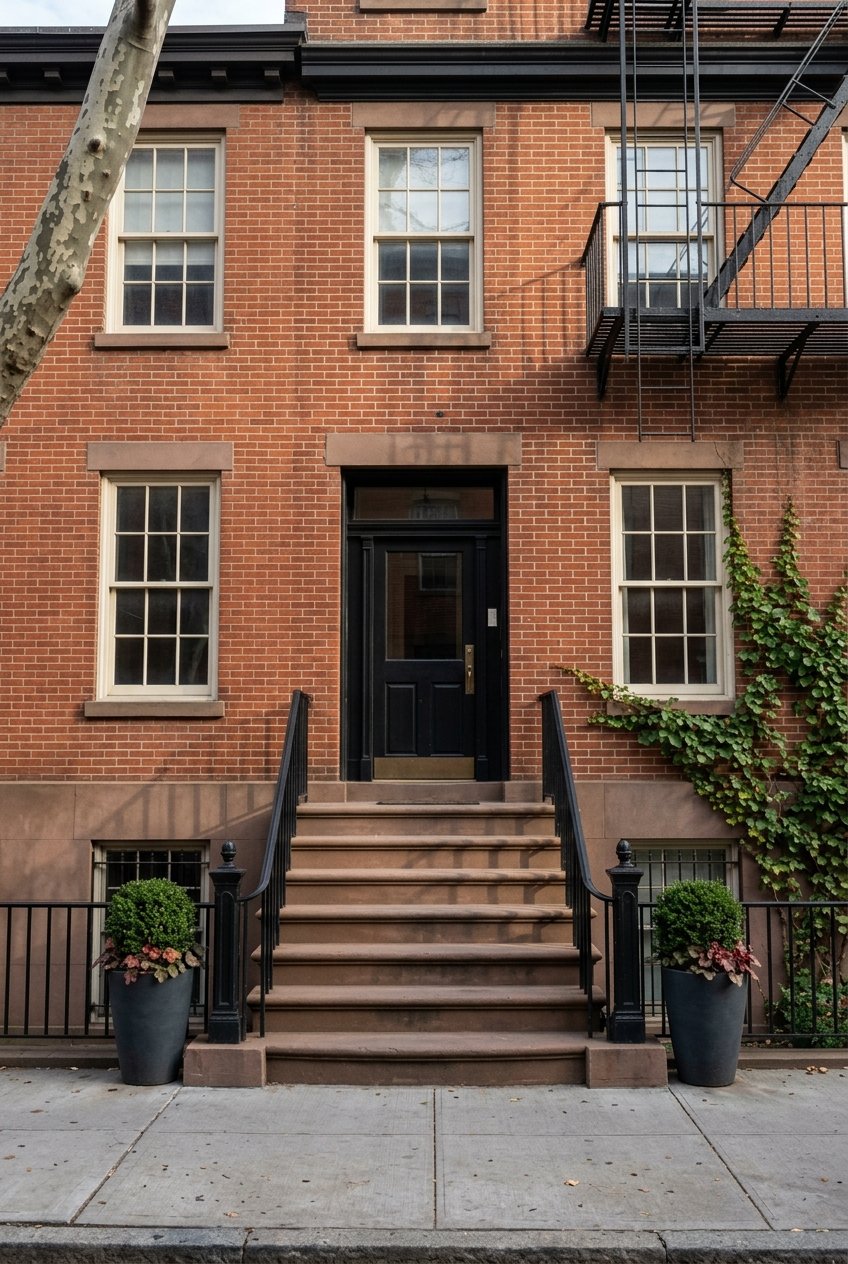
Many co-op options in and around Chelsea’s traditional housing stock are older buildings, often prewar in character or part of the neighborhood’s earlier residential fabric. These homes can offer a lower entry point than nearby condos, especially if your priority is location over a full-service amenity package.
In West Chelsea, StreetEasy reports median co-op prices of $599,500 for studios, $935,000 for one-bedrooms, and $1.56 million for two-bedrooms. Those numbers help explain why buyers who want to stay close to the High Line often keep co-ops on their shortlist.
Loft-Style Conversions
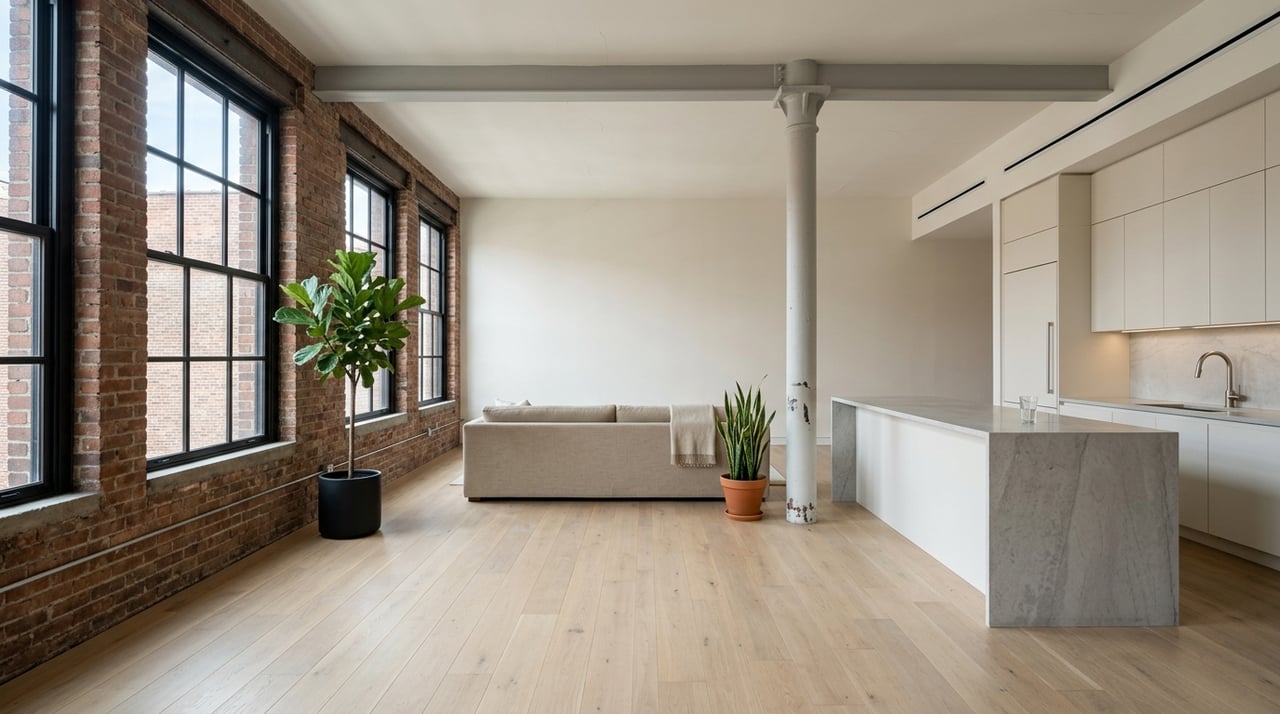
West Chelsea’s industrial past also created loft-style conversion opportunities. Planning materials note warehouses, storage buildings, converted garages, and loft buildings as part of the area’s built character.
For buyers, these homes can offer a very different feel from a traditional co-op or a newer condo. You may see larger windows, more open layouts, and building details tied to the neighborhood’s earlier commercial life.
Newer Condos
The current West Chelsea market skews luxury and condo-heavy at the top end. StreetEasy’s West Chelsea snapshot shows 133 for-sale listings, including 32 new-development listings, and a new-development median price of $6.23 million.
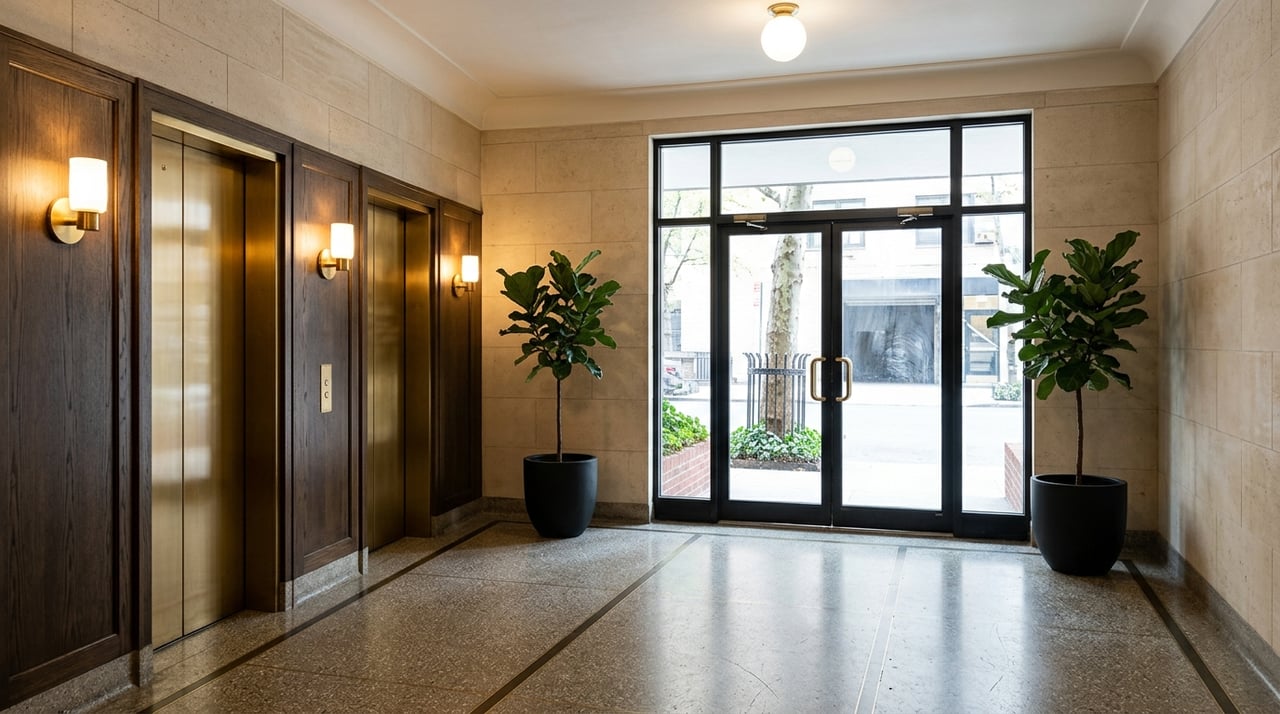
These newer condos often sit closest to the High Line premium. They tend to appeal to buyers who want newer systems, more services, and homes designed to take advantage of light, views, and proximity to the park.
Why New Buildings Feel Different Here
If you have walked West Chelsea and thought some buildings feel especially controlled in scale or frontage, there is a reason. The Special West Chelsea District includes regulations for buildings above, beneath, or next to the High Line, along with rules covering ground-floor use, transparency, signage, heights, setbacks, and open-space treatment.
Those rules were designed to preserve light, air, and views along the park. For buyers, that zoning context helps explain why some new development near the High Line looks and feels different from what you might see on a more typical Manhattan avenue.
It also means location near the park is not just about being close to a greenway. In many cases, it is tied to how the building was designed, how views are protected, and how the streetscape functions at ground level.
Condo vs Co-op Pricing Near the High Line
One of the biggest takeaways for buyers is that West Chelsea prices vary sharply by ownership type. Condos generally command a sizable premium over co-ops, especially as unit size increases.
StreetEasy reports median condo prices in West Chelsea at $752,500 for studios, $1.675 million for one-bedrooms, and $3.795 million for two-bedrooms. By comparison, median co-op prices are $599,500 for studios, $935,000 for one-bedrooms, and $1.56 million for two-bedrooms.
That creates a meaningful gap. The median one-bedroom condo price is about 1.8 times the median one-bedroom co-op price, and the median two-bedroom condo price is about 2.4 times the median two-bedroom co-op price.
For many buyers, that gap becomes the central decision. You may be choosing between a smaller or older condo near the High Line, or a larger co-op with a lower purchase price in the same broader area.
How West Chelsea Compares to Chelsea Overall
It also helps to step back and compare West Chelsea with the broader Chelsea market. StreetEasy’s current snapshot for Chelsea shows a median sale price of $1.3 million, a median base rent of $5,500, and a median sales time on market of 56 days.
West Chelsea runs higher. StreetEasy pegs West Chelsea at $2,463 per square foot versus $2,128 in Chelsea overall, with a median sale price of $3.25 million.
In plain terms, that works out to roughly a 16 percent higher average price per square foot and about 2.5 times the median sale price compared with broader Chelsea. While no single stat can capture every building or block, the price spread supports what many buyers already sense on the ground: close High Line proximity often comes with a premium, especially in newer condo product.
What Daily Trade-Offs to Expect
Living near the High Line can bring obvious upsides, but it also helps to think through the day-to-day details. The neighborhood offers easy access to major open space, arts activity, and a distinct West Chelsea streetscape shaped by galleries, loft buildings, and newer residential development.
At the same time, Chelsea is broad, and some addresses can still mean a longer walk to the subway. That does not make one location better or worse, but it does mean your version of convenience may depend on whether you prioritize park access, waterfront access, transit, building services, or purchase price.
This is one reason a block-by-block approach matters in Chelsea. Two homes with the same neighborhood label can offer very different daily routines.
What Buyers Should Review Closely
Near the High Line, building-level details matter just as much as the address. The New York State Attorney General recommends reviewing the full offering plan and consulting an attorney before signing a purchase agreement.
The same guidance urges buyers to look carefully at the building’s physical condition. That includes the facade, roof, flooring, appliances, subsoil conditions, elevators, HVAC, windows, electrical wiring, and plumbing.
That advice is especially important in West Chelsea because the housing stock is so mixed. A loft conversion, a prewar co-op, and a newer full-service condo may all be close to the same park entrance, but they can differ significantly in age, systems, maintenance profile, and ownership structure.
The NYC Department of Finance also notes that co-ops and condos are valued as income-producing properties and compared with similar buildings by size, age, distance, and number of stories. For buyers, that is a useful reminder that the building itself is a major part of the value equation.
How to Narrow Your Search
If you are serious about living near the High Line, it helps to define your priorities early. Start by deciding which of these factors matters most to you:
- Purchase price
- Ownership type
- Building age and condition
- Full-service amenities
- Loft character
- Park proximity
- Transit access
- Unit size
- Light and views
Once you know your priorities, your search usually becomes much clearer. Buyers who want a lower entry point may focus more on co-ops or older buildings, while buyers who want newer construction and view-driven layouts may lean toward condo inventory in West Chelsea.
In Manhattan, especially in co-op and condo searches, clarity saves time. It also helps you compare listings more realistically instead of treating all High Line-area homes as interchangeable.
The Bottom Line on High Line Options
Living near the High Line offers a very specific version of Chelsea living. You get access to one of Manhattan’s most distinctive public spaces, a built environment shaped by zoning and design controls, and a housing mix that ranges from older co-ops to loft conversions to newer luxury condos.
The key is understanding that the neighborhood name alone does not tell the full story. In West Chelsea, pricing, building type, ownership structure, and daily convenience can vary a lot from one address to the next.
If you want a clear read on which Chelsea condo or co-op options best match your goals, working with a broker who understands Manhattan building types, pricing differences, and co-op and condo process details can make the search far more efficient. When you’re ready to talk through your move, Cody Parker Hellberg- offers the kind of responsive, board-savvy guidance that helps buyers move forward with confidence.
FAQs
What is West Chelsea near the High Line like for daily living?
- West Chelsea offers direct access to the High Line, nearby waterfront open space at Hudson River Park, and a mix of gallery, loft, residential, and retail uses that reflect the area’s industrial-to-residential evolution.
What kinds of homes can you buy near the High Line in Chelsea?
- Buyers will typically see three main categories: older co-ops, loft-style conversions tied to the area’s industrial past, and newer condos that often sit at the higher end of the market.
Are condos more expensive than co-ops near the High Line?
- Yes. In West Chelsea, median condo prices are higher than median co-op prices across studios, one-bedrooms, and two-bedrooms, with the gap becoming especially wide in larger units.
Why do West Chelsea condos near the High Line cost more?
- Current market data shows West Chelsea prices run above broader Chelsea, and the area’s newer, view-oriented condo stock near the High Line appears to support that premium.
What should you review before buying a Chelsea condo or co-op?
- You should review the building’s condition carefully, including major systems and structural elements, and read the full offering plan with an attorney before signing a purchase agreement.
Is every Chelsea home near the High Line close to the subway?
- Not always. Chelsea covers a broad area, and some addresses in West Chelsea can involve a longer walk to subway access even when they are close to the park.