If you are shopping in SoHo, the choice between a loft and a condo is about much more than style. In this part of Manhattan, the space you love on first sight can come with very different rules, costs, and renovation realities depending on the building. Understanding those differences can help you buy with more confidence, avoid surprises, and focus on the kind of home that truly fits how you want to live. Let’s dive in.
Why the choice matters in SoHo
SoHo is not a market where you are usually choosing between a bargain option and a premium option. StreetEasy currently shows a median sale price of $3.4 million, a median base rent of $5,995 before fees, and about 54 days on market. That means many buyers here are comparing two premium housing formats that offer very different ownership experiences.
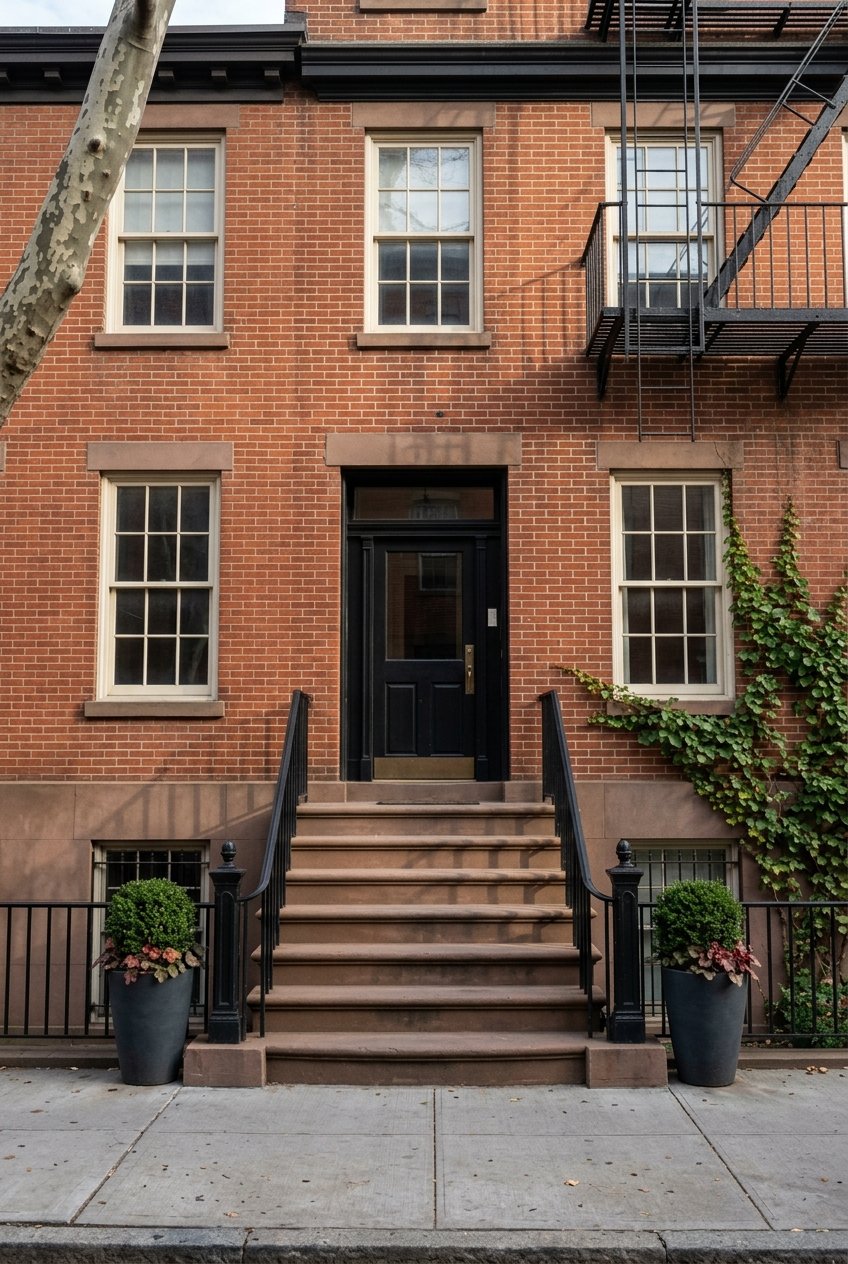
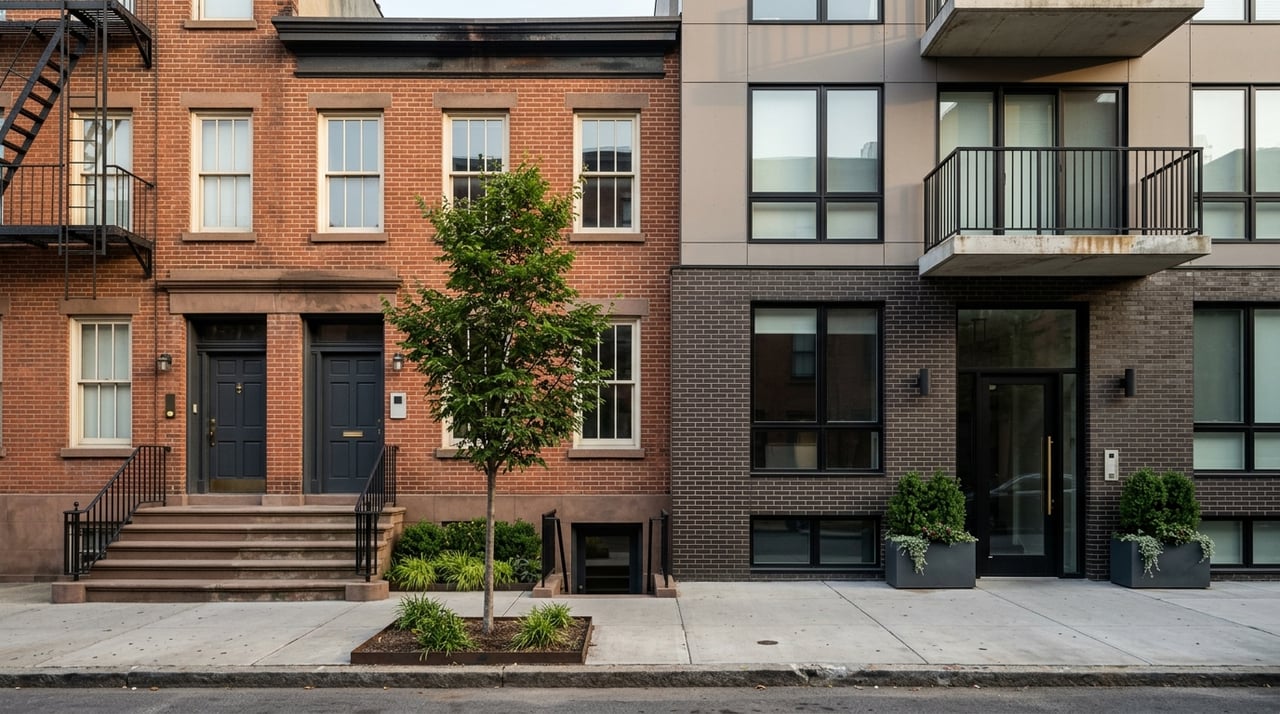
What makes SoHo unique is its building mix. You will find classic cast-iron loft buildings, loft conversions, and newer condo-style homes, often within a neighborhood shaped by historic-district oversight and special zoning rules. In practice, that means your decision is often a tradeoff between architectural character and operational predictability.
What defines a SoHo loft
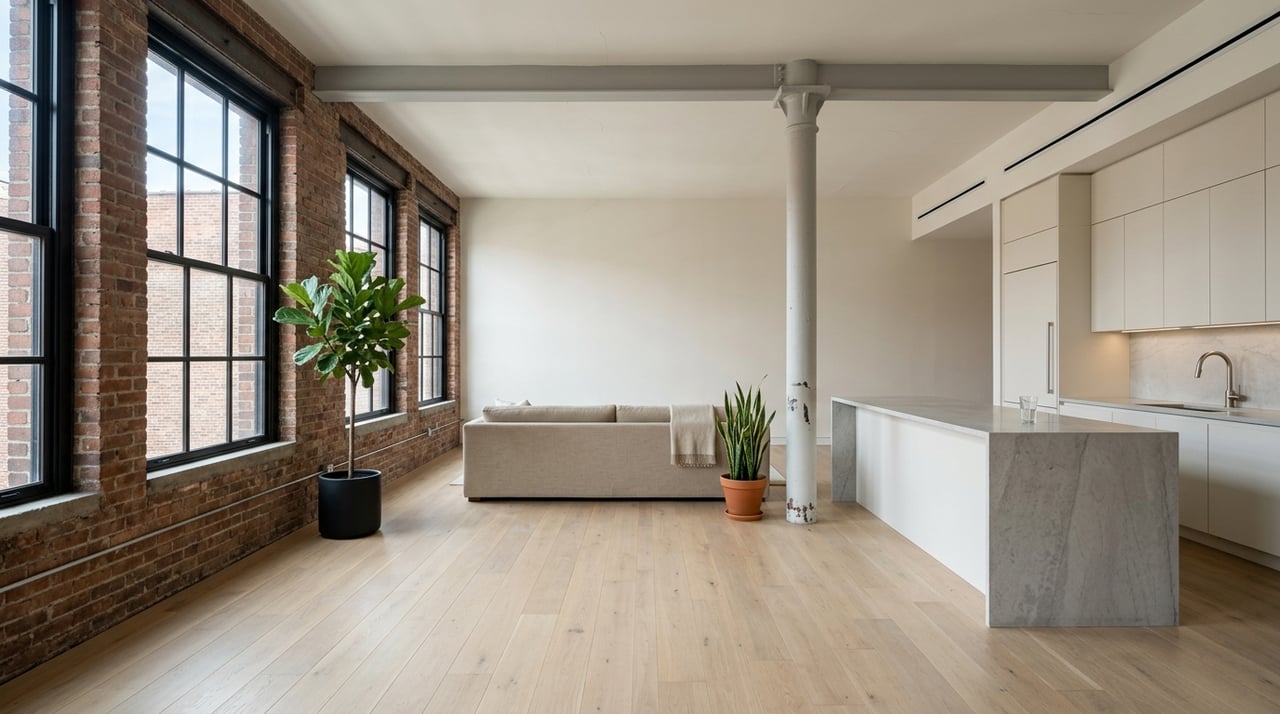
A classic SoHo loft often starts with the building itself. NYC Planning describes SoHo and NoHo loft buildings as having large, contiguous floor plates, high ceilings, and sturdy floors. Many of these buildings were originally built for commercial or manufacturing use, which helps explain why the layouts can feel unusually open and flexible compared with a standard apartment.
That industrial history is a big part of the appeal. You may get dramatic volume, oversized windows, and room proportions that feel hard to replicate in more conventional buildings. If you value space that feels expansive and adaptable, a loft may be the format that immediately speaks to you.
At the same time, not every loft in SoHo carries the same legal framework. Current residential use can depend on a building’s legal history and the specific zoning section that applies within the Special SoHo-NoHo Mixed Use District. That is why loft buyers in SoHo need to look beyond the floor plan and confirm how the unit is legally classified and occupied.
What defines a SoHo condo
A condo in SoHo usually appeals to buyers who want clearer structure around operations, services, and monthly costs. New York requires condominium sponsors to project first-year common charges and operating expenses. Those budgets include items like labor, heating, utilities, water and sewer charges, repairs, maintenance, supplies, insurance, management fees, service contracts, and contingency.
That matters because it gives you a more formal framework for comparing buildings. If a condo has more staffing, more services, or a more support-heavy setup, those costs should be reflected in the budget and ultimately in common charges. For many buyers, that makes the ownership experience feel more legible from the start.
Condos can also feel more standardized in layout and day-to-day expectations. If you want a home where the decision is less about preserving industrial character and more about efficiency, services, and documented building operations, a condo may be the stronger fit.
Legal status is a major dividing line
In SoHo, legal status is one of the most important parts of the decision. Some units may involve historic residential pathways that are very specific to the neighborhood. For example, conversions to JLWQA are no longer permitted after December 15, 2021, though existing lawful JLWQA occupancy can continue under the zoning rules, and working-artist certification remains relevant for that use.
Loft Law buildings are another separate category. The NYC Loft Board oversees legalization of interim multiple dwellings and requires owners to bring these buildings up to minimum NYC Building Code standards for residential occupancy. If you are comparing a loft with a condo, this is one of the clearest examples of why two homes that look similar on paper can involve very different due diligence.
Before you commit to any SoHo property, it is smart to ask a direct question: can you legally occupy the unit the way you plan to use it? That question alone can help narrow your options quickly and keep your search focused on homes that match your needs.
Layout and lifestyle differences
Why lofts feel different
Lofts often win on raw spatial impact. High ceilings, broad floor plates, and fewer conventional partitions can make the home feel more open, airy, and custom. If you want space that can support a more personalized layout, a loft may offer more visual flexibility.
That said, open volume is not the same as turnkey convenience. In some lofts, you may need to think more carefully about room definition, privacy, storage, and how your furniture fits the scale of the space. The appeal is real, but so is the need for thoughtful planning.
Why condos feel more structured
Condos often attract buyers who prefer a more familiar apartment format. You may find a layout that feels easier to furnish, maintain, and evaluate from day one. That can be especially helpful if you want fewer unknowns in how the space will function for everyday life.
In SoHo, this does not mean condos are automatically simpler in every respect. A condo can still sit within a landmarked building or a historic district, and that can affect ownership decisions later. Still, for many buyers, the internal structure of a condo building feels easier to assess than the legal and physical complexity of an older loft property.
Monthly costs and building services
When buyers compare lofts and condos, monthly costs deserve close attention. In a condo, common charges are tied to a documented operating budget. That makes it easier to see where money is being allocated and whether the building is relatively service-light or more service-intensive.
This is also where buyers should be careful about marketing language. The New York Attorney General warns buyers not to rely on brochures or verbal promises about amenities or ancillary spaces unless those items are clearly reflected in the offering plan. If you are comparing a minimalist loft building with a service-heavy condo, the offering plan is a stronger guide than the sales pitch.
For a buyer who values predictability, this can be a major advantage for condo living. For a buyer who prefers character and is comfortable evaluating older buildings in more detail, a loft may still be the better match, but only after a close review of both costs and building condition.
Renovation in SoHo is never just about taste
One of the biggest misconceptions in SoHo is that buying a loft automatically means total renovation freedom. In reality, many SoHo properties sit within a large historic district. The original SoHo-Cast Iron Historic District covered about 500 buildings across 25 blocks, and the 2010 extension added roughly 135 more properties.
That scale matters because landmark review is part of day-to-day ownership in much of the neighborhood. In historic districts, most exterior changes to front and rear facades require review by the Landmarks Preservation Commission. A Certificate of Appropriateness is required for certain work affecting protected architectural features or for work that does not conform to LPC rules, including some additions, demolitions, new construction, and removal of features like stoops or cornices.
Interior work may be easier, but it is not automatically permit-free. LPC notes that some ordinary repairs, like repainting to match the existing color or replacing broken window glass, generally do not require approval. But interior work may still need LPC review if it requires a DOB permit or affects the exterior, and some work only qualifies for expedited review if it avoids protected features, exterior walls, windows, skylights, roofs, and major excavation.
The practical takeaway is simple: a SoHo loft can offer flexibility on the inside, but constraints on the outside. A SoHo condo is not automatically exempt either if it is located in a landmarked building or historic district. If renovation freedom matters to you, confirm the building’s landmark status and whether your planned work would trigger LPC review, DOB permits, or both.
Due diligence that matters most
No matter which format you prefer, due diligence should go beyond finishes and staging. The Attorney General highlights several building elements buyers should inspect carefully, including the facade, roof, flooring, appliances, sub-soil conditions, elevators, HVAC, windows, electrical wiring, and plumbing.
This is especially important in SoHo, where older building stock can be part of the appeal. Beautiful architectural character should not distract from the condition of the building systems that support daily life and future costs. A home can look spectacular and still require deeper review at the building level.
Here are a few questions worth asking early:
- Is the unit a JLWQA space, a Loft Law or IMD unit, or a market-rate residential condo?
- Can you legally occupy the unit the way you intend to use it?
- If you want to renovate, will the work require LPC review, DOB permits, or both?
- What do common charges include, and what do they suggest about the building’s service level?
- Are there signs that major systems or exterior elements may need capital work soon?
Which option fits your priorities
The right answer usually comes down to how you weigh character against complexity.
If you are drawn to architectural history, open volume, and a home that feels distinctly SoHo, a loft may be your better fit. You may also be more comfortable with the added work of confirming legal status, understanding landmark constraints, and evaluating an older building with care.
If you want a more formal cost structure, clearer documentation around operations, and a building experience that feels easier to compare across properties, a condo may align better with your goals. That does not eliminate the need for due diligence, but it can make the process feel more structured.
In SoHo, this is rarely just a style decision. It is usually a decision about how much complexity you are willing to take on in exchange for a certain kind of space and ownership experience.
A thoughtful comparison can save you time, reduce risk, and help you focus on the properties that truly fit your priorities. If you want a clear, grounded view of how a specific SoHo loft or condo stacks up, Cody Parker Hellberg- can help you assess the building, the paperwork, and the bigger picture with the kind of steady guidance Manhattan buyers need.
FAQs
What is the biggest difference between loft and condo living in SoHo?
- The biggest difference is usually the tradeoff between architectural character and operational predictability. Lofts often offer open volume and historic character, while condos often offer clearer budgets, cost structure, and documented building operations.
What should you verify before buying a SoHo loft?
- You should verify the unit’s legal status, how it may be lawfully occupied, whether it falls under JLWQA or Loft Law rules, and whether planned renovations could require LPC or DOB approvals.
Do SoHo condos avoid landmark restrictions?
- No. A condo in SoHo may still be located within the historic district, so exterior work and some permitted interior work can still be subject to LPC review.
How do monthly costs differ between a SoHo loft and condo?
- Condo common charges are typically tied to a formal first-year operating budget that includes expenses like labor, utilities, insurance, maintenance, management, and contingency. That can make monthly costs easier to analyze.
What building issues matter most when buying in SoHo?
- Key issues include the facade, roof, elevators, HVAC, windows, electrical wiring, plumbing, flooring, appliances, and any signs that major repairs or capital work may be needed.
Who is loft living in SoHo usually best for?
- Loft living is often best for buyers who value open space, industrial-era architecture, and a more distinctive home environment, and who are comfortable with the added legal and renovation checks that can come with older SoHo buildings.