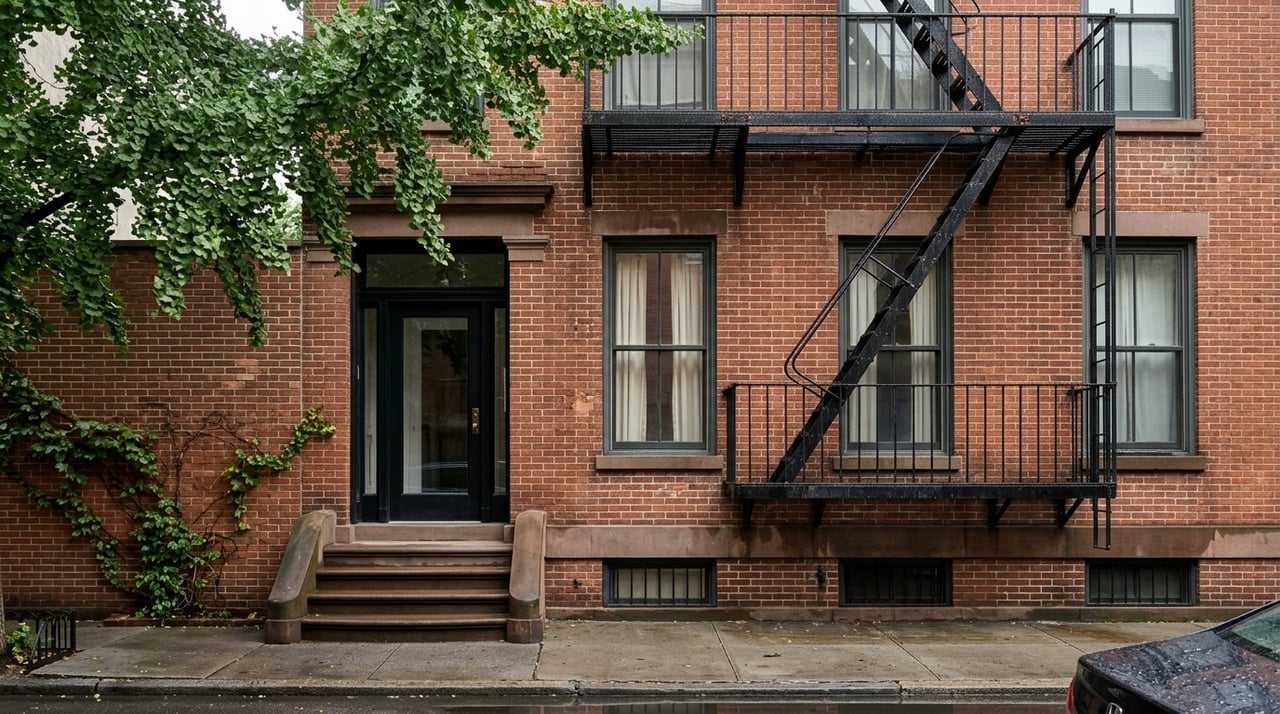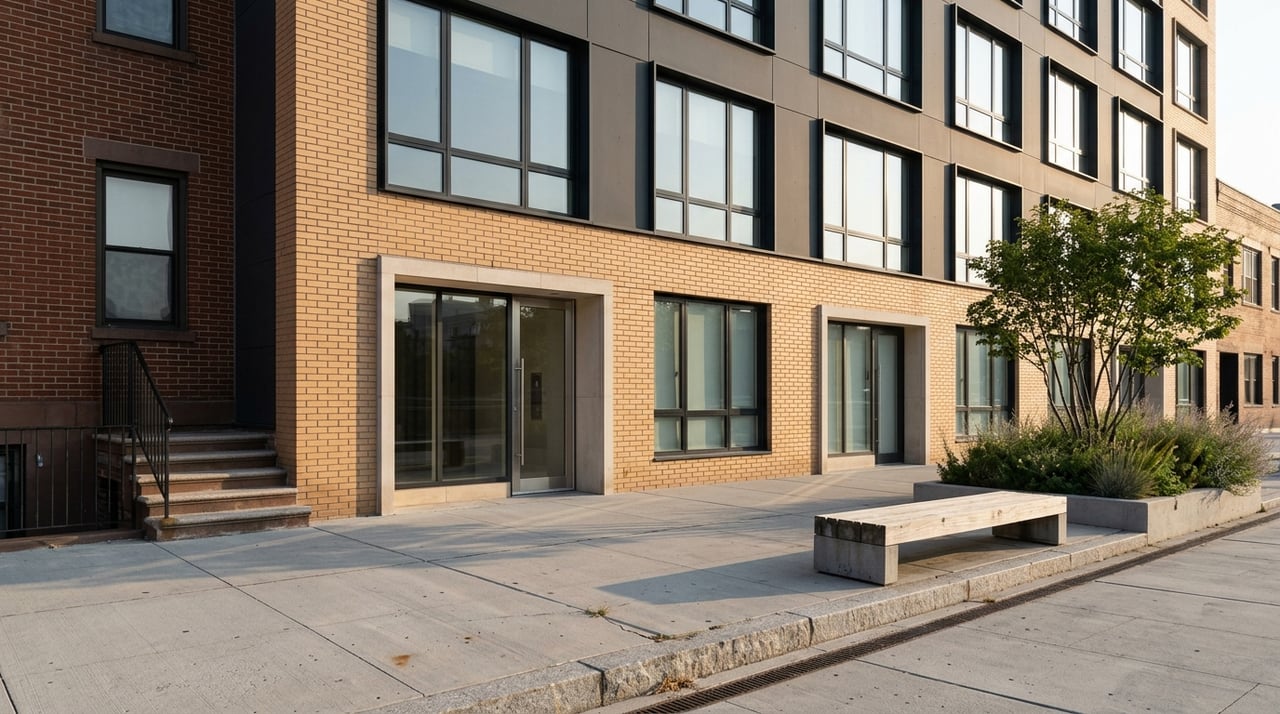
If you’re thinking about trading space for simplicity, the Upper East Side gives you more than one path forward. You may want lower upkeep, a more manageable layout, or a building that better fits how you live now. The good news is that this neighborhood offers a wide range of co-op and condo options, but the right choice depends on more than square footage. Let’s dive in.
Why the Upper East Side Works for Downsizing
The Upper East Side is a natural place to start if you want to downsize without leaving Manhattan. It is a large, established neighborhood with 198,035 residents, and in 2023, 25.8% of residents were age 65 and older. That older, owner-oriented profile helps explain why downsizing is such a common and practical move here.
The neighborhood also offers variety. As of March 2026, Realtor.com reported about 1,799 homes for sale on the Upper East Side, with a median listing price of $1.695 million, median days on market of 63, and a sale-to-list ratio of 98%. Realtor.com also described the market as a buyer’s market at that time, which may give you more room to compare buildings and negotiate.
Just as important, the Upper East Side is not one single price point. Prices can vary sharply by micro-neighborhood, from about $1.075 million in Yorkville to $2.0 million in Carnegie Hill and $3.395 million in Lenox Hill. If your goal is to reduce costs, keep a foothold in Manhattan, or improve your day-to-day convenience, your search can be tailored block by block.
Co-op or Condo: What Changes Most
For many downsizers, the biggest question is not whether to stay on the Upper East Side. It is whether a co-op or condo will serve your next chapter better. In Manhattan, that choice affects price, approval process, monthly costs, and long-term flexibility.
How co-ops work
A co-op is a share purchase in a corporation rather than a deeded unit. You receive a proprietary lease, and most buildings require board approval before you can close. Co-ops often come with more building-specific rules, including policies on subletting, purchases, renovations, and use.
That extra structure can come with a lower entry price. StreetEasy consistently notes that co-ops generally cost less to buy than condos, but they tend to have stricter approval standards. If your priority is value and you are comfortable with a more involved process, a co-op may be a strong fit.
How condos work
A condo is a deeded property interest, and the purchase process is usually more straightforward. Condos also tend to offer greater flexibility for subletting and pied-à-terre use. For downsizers who want simpler ownership and fewer board-related hurdles, that can be a major advantage.
Condos are often newer or more amenity-focused, though that is not always the case. On the Upper East Side, condo listings more often highlight features such as central air, in-unit washer and dryer, and private storage. In exchange, you usually pay more upfront and may face higher closing costs.
What Apartment Sizes Make Sense
Downsizing does not mean giving up comfort. It means choosing space that works harder for you. On the East Side resale market tracked by Brown Harris Stevens for the first quarter of 2026, one-bedrooms made up 30% of sales and two-bedrooms made up 32%, making them the core of the market.
That sales mix suggests that many buyers find the sweet spot in a one-bedroom or compact two-bedroom. Median prices in that report were $650,000 for one-bedrooms and $1.5025 million for two-bedrooms. If you still want room for guests, a home office, or separate living and dining space, a well-laid-out two-bedroom may feel more practical than a larger apartment with less efficient flow.
Prewar co-ops can be especially appealing here. Many include features like entry foyers, formal dining areas or alcoves, separate living rooms, windowed kitchens, and generous closets. If you are moving from a larger apartment or townhouse, those layout details can make a smaller home feel far more livable.
Look Beyond Price to Monthly Cost
One of the most common downsizing mistakes is focusing too much on the asking price. On the Upper East Side, your monthly carrying cost may matter just as much, or more. Two apartments with similar purchase prices can have very different ownership costs once maintenance, common charges, taxes, and assessments are factored in.
Co-op maintenance vs condo common charges
Co-op maintenance fees typically cover building operating costs, property taxes, utilities, staff salaries, upkeep, and sometimes an underlying mortgage. Condo common charges cover building operating costs, but they usually do not include property taxes. That means a condo owner often pays common charges and a separate tax bill.
This is why a lower purchase price does not automatically mean a lower monthly payment. A co-op with high maintenance, an underlying mortgage, or major recent capital work may cost more each month than expected. A condo with tax abatement benefits may compare more favorably than its sticker price suggests.
Tax abatement can change the math
For owner-occupants, the NYC cooperative and condominium property tax abatement may reduce property taxes when the unit is your primary residence and the development qualifies. The building’s board or authorized agent files on behalf of the property. That means the benefit is building-dependent, not something you can assume unit by unit.
For a downsizer, this matters because net monthly cost is what shapes daily peace of mind. Looking only at list price can hide the true cost of ownership. A careful side-by-side review usually gives a clearer picture of what is sustainable.
Closing Costs Matter Too
Closing costs are another reason to compare co-ops and condos carefully. StreetEasy says buyer closing costs in New York City often run around 4% to 6% overall, with co-op closings generally costing less than condo closings. One major reason is that condo purchases usually involve title-related expenses and mortgage recording tax.
The NYC Department of Finance states that mortgages on individual cooperative apartments do not incur mortgage recording tax, while condo mortgages do. If you are financing your purchase, that difference can be meaningful. It is one more reason not to judge value by asking price alone.
If you are selling before buying, transfer taxes also affect your planning. The NYC real property transfer tax is 1% on residential transfers up to $500,000 and 1.425% above that. New York State also imposes a 1% mansion tax on residential transfers of $1 million or more.
Board Approval Can Shape Your Timeline
If you are moving into a co-op, the board process is not a minor detail. It often defines the timeline and the level of preparation needed. For many Upper East Side buyers, this is where experienced guidance becomes especially valuable.
What co-op boards usually want
According to StreetEasy, co-op board packages commonly include:
- Signed tax returns
- W-2s
- Reference letters
- Pay stubs
- Proof of employment
- Account statements
StreetEasy also notes that boards often look for a debt-to-income ratio below 30%, meaningful cash reserves, and enough money left after closing to cover mortgage and maintenance for a year. Buildings vary, but buyers are often expected to submit the package within about 10 days of contract signing.
Why timing often runs long
Closings in New York City often take longer than expected. StreetEasy says the period from offer to closing is typically 30 to 45 days, but two months is often a safer estimate, and the process can stretch longer depending on the lender, board, and property type. If you are coordinating a sale and purchase, that timing becomes even more important.
For that reason, it helps to gather documents early, understand likely board expectations, and discuss timing before you begin negotiating. A smooth downsizing move usually starts well before the offer is accepted.
Due Diligence Is Essential in Older Buildings
On the Upper East Side, many desirable buildings are older, and that is part of their appeal. But older buildings require careful review beyond finishes and staging. A beautiful apartment can still come with building-level issues that affect cost and comfort.
The New York State Attorney General recommends reviewing the offering plan before signing a purchase agreement and treating board minutes and financial reports as critical due-diligence documents. The office specifically points buyers to major building systems such as facades, roofs, elevators, heating and cooling, windows, electrical, and plumbing. Board minutes can also reveal pending repairs or other costs that may not be obvious during a showing.
For downsizers, this step is especially important because the goal is often predictability. You may be looking for fewer surprises, lower stress, and a home that feels easier to manage. Strong reserves and a clear capital-project history can matter more than a newly updated kitchen.
Smart Filters for a Downsizing Search
When you are looking at Upper East Side co-ops and condos, it helps to narrow your search around how you want to live, not just what you want to own. In many cases, the best apartment is not the biggest or newest one. It is the one that supports your routine and keeps your monthly obligations in line.
A practical downsizing search often focuses on:
- Total monthly carrying cost
- Closet and storage capacity
- Elevator or doorman access
- Light and quiet
- Flexibility for guests or a home office
- Pet policies
- Renovation rules
- Subletting or future resale flexibility
These filters are especially useful on the Upper East Side because the housing stock varies so much by building type and era. A prewar co-op may offer better layout and storage, while a condo may offer simpler ownership and more flexibility. The right answer depends on your priorities.
Choosing the Right Next Chapter
Downsizing on the Upper East Side is rarely just about moving into something smaller. It is about choosing a home that fits the way you live now, while keeping an eye on future ease, cost, and flexibility. In a neighborhood with everything from classic prewar co-ops to newer condos, the best move usually comes from balancing layout, board rules, and true monthly cost.
If you want a steady, informed approach to that decision, working with someone who understands Upper East Side inventory and co-op board norms can make the process far less stressful. To talk through your options, connect with Cody Parker Hellberg-.
FAQs
What is the main difference between an Upper East Side co-op and condo for downsizers?
- A co-op usually offers a lower entry price but requires board approval and comes with stricter building rules, while a condo usually costs more but offers simpler ownership and greater flexibility.
What apartment size is most practical for downsizing on the Upper East Side?
- In the East Side resale market, one-bedrooms and two-bedrooms made up the majority of sales in early 2026, which suggests that these sizes are often the most practical choices for downsizers.
What monthly costs should you compare when downsizing to an Upper East Side apartment?
- You should compare co-op maintenance or condo common charges, property taxes, any assessments, and whether the building qualifies for the NYC co-op and condo tax abatement.
What documents are usually needed for an Upper East Side co-op board package?
- Common board package items include tax returns, W-2s, reference letters, pay stubs, proof of employment, and account statements.
How long does it take to close on an Upper East Side co-op or condo?
- The timeline from offer to closing is often 30 to 45 days, but two months is usually a safer planning estimate, and some transactions take longer.
What building details should you review before buying an Upper East Side co-op or condo?
- You should review the offering plan, board minutes, financial reports, and the condition of major systems such as the facade, roof, elevators, heating and cooling, windows, electrical, and plumbing.