If you picture Manhattan as fast, vertical, and constantly in motion, the West Village can feel like a surprise. Life here is still unmistakably New York, but the day-to-day experience is shaped by low-rise streets, historic buildings, small businesses, and a pace that often feels more local than hurried. If you are wondering what it is really like to live in the West Village, this guide will walk you through the neighborhood’s character, housing, parks, and daily rhythm so you can decide whether it fits the way you want to live. Let’s dive in.
West Village feel and character
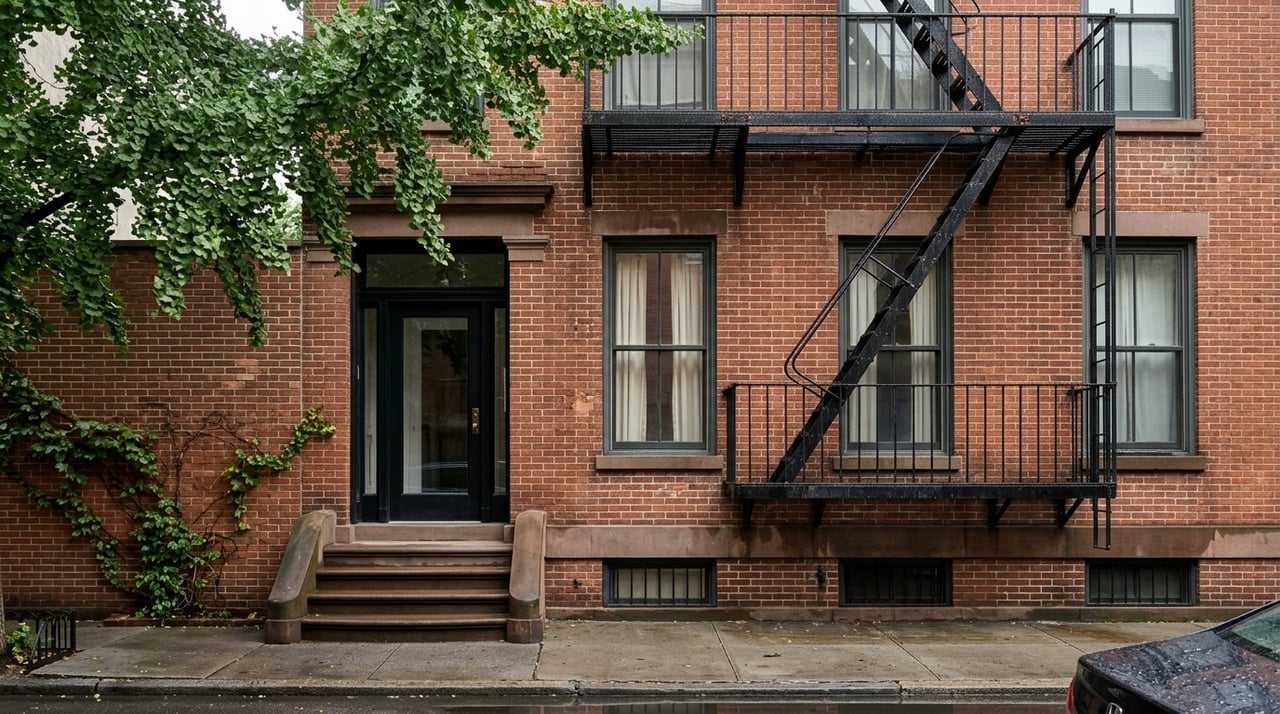
What stands out first in the West Village is its physical scale. The neighborhood sits within Manhattan Community District 2, and the Greenwich Village Historic District, designated in 1969, includes more than 2,000 buildings across more than 65 blocks. That preservation helps explain why the area feels irregular, historic, and visually distinct from parts of Manhattan defined by larger avenues and taller towers.
In practical terms, this means your walks often feel more intimate. Streets can look and feel quieter, building lines are less uniform, and the architecture creates a layered sense of place that many buyers find hard to replicate elsewhere in downtown Manhattan. It is one of the reasons the neighborhood often feels residential even when you are close to busy corners.
Daily rhythm in the West Village
Daily life in the West Village is built around walking. The local commercial pattern is less about big retail corridors and more about moving between cafés, restaurants, small shops, and neighborhood services on foot. The Village Alliance describes the broader area as one of New York City’s most iconic and walkable commercial areas, with a mix of unique shops, artisanal food, dining, coffee, and architectural history.
That translates into a neighborhood rhythm that feels active without being overwhelming. You see people grabbing coffee, meeting friends, walking dogs, or lingering in nearby public spaces rather than rushing through on errands by car. For many residents, that is the real draw: your routine can feel close at hand.
Lively but not nonstop
One of the most common questions about the West Village is whether it feels lively or quiet. The honest answer is both. Side streets tend to feel more residential, while corridors near Christopher Street, 8th Street, park edges, and major transit stops carry a steadier pedestrian buzz.
That mix is a big part of the neighborhood’s appeal. You can have a calmer block-to-block experience while still being close to restaurants, coffee shops, and public spaces that keep the area engaged throughout the day.
Parks and outdoor access
For a Manhattan neighborhood, the West Village has strong outdoor options. Hudson River Park is a 550-acre, four-mile riverfront park, and its Greenwich Village section includes the West Village Apple Garden near the Charles Street waterfront. If you value being able to walk, run, or sit outdoors without leaving your neighborhood, that waterfront access is a major quality-of-life advantage.
The area also includes several meaningful public spaces closer to the neighborhood core. Christopher Park sits within Stonewall National Monument and serves as one of the only public open spaces west of Sixth Avenue in Greenwich Village. The Stonewall National Monument Visitor Center, which opened on June 28, 2024, is free to enter and adds another civic and cultural landmark to daily neighborhood life.
Washington Square Park also shapes the experience of living nearby. It offers dog-friendly areas, playgrounds, restrooms, spray showers, Wi-Fi hot spots, trees, and food options nearby. Depending on where you live in the West Village, it can function as part of your regular routine, whether that means a morning walk, meeting friends, or simply having a large public space within easy reach.
Getting around without a car
The West Village is well suited to car-free living. The neighborhood is served directly by the Christopher St-Stonewall stop on the 1 train, and West 4 St-Washington Sq gives you access to the A, C, E, B, D, F, and M lines. PATH service at Christopher Street also provides another practical option, especially if your routine includes New Jersey.
That transit access matters because it expands your range without changing the neighborhood’s smaller-scale feel. You can live in an area that feels historic and local while still connecting easily to downtown, Midtown, and Jersey City. For many buyers, that combination is a major reason the West Village stays in demand.
Driving is not the default
The neighborhood’s circulation is shaped far more by walking and transit than by driving. Street parking is limited around the Stonewall area, and the Christopher Street and West 4th Street area has been identified by NYC DOT as a complex, commuter-heavy pedestrian crossing needing safety improvements.
In plain English, the West Village is a place where your feet and your subway app usually matter more than your car keys. If you want a neighborhood where daily life works well without driving, this is one of Manhattan’s clearest examples.
What housing looks like here
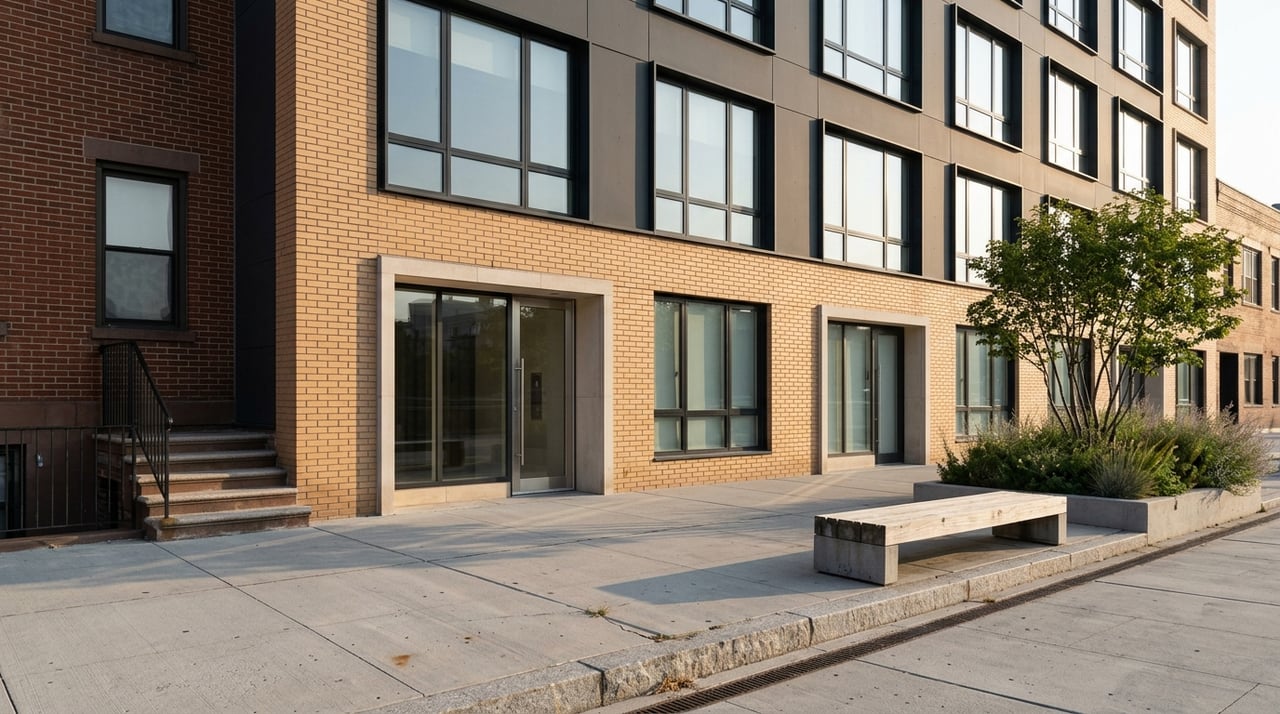
Housing in the West Village tends to reflect the neighborhood’s historic framework. Manhattan Community District 2 had 92,445 residents in 2020, and the borough president’s housing report shows a meaningful share of mixed-use buildings and multifamily walk-ups across the district, along with nine historic districts. Those facts help explain why the local housing stock feels older, more constrained, and more varied than in areas built around large new developments.
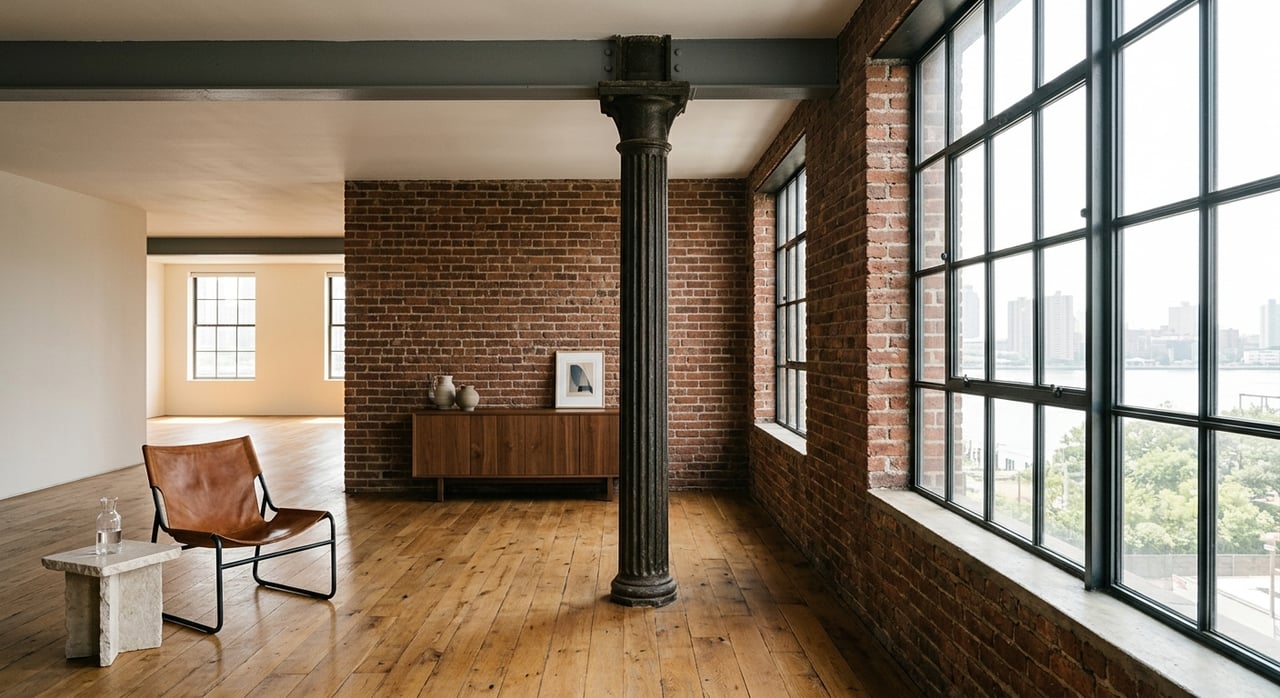
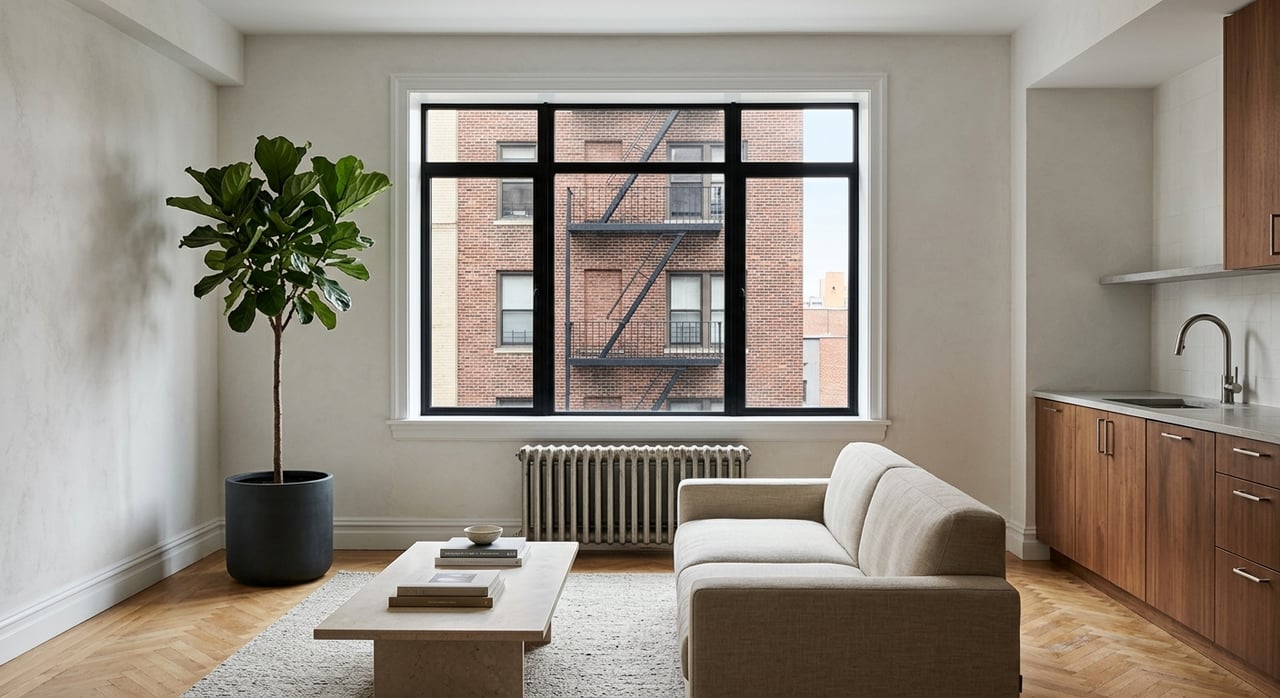
For buyers, that often means a market shaped by prewar apartments, boutique co-ops, condo conversions, and homes in smaller buildings. The neighborhood’s historic character is a major asset, but it also means inventory can be limited and each building may come with its own layout quirks, rules, or ownership structure. If you are comparing neighborhoods, that is an important difference.
What buyers should expect
If you are looking in the West Village, it helps to expect charm and constraints at the same time. You may find architectural detail, smaller-scale buildings, and a strong sense of place. You may also find fewer large amenity towers and fewer cookie-cutter layouts than in newer parts of Manhattan.
That is where experienced local guidance matters, especially in a neighborhood where co-ops and condos can vary widely from building to building. Understanding the building type, ownership rules, and resale context can be just as important as liking the apartment itself.
Who tends to enjoy living here
The West Village often appeals to buyers who want a neighborhood experience, not just a Manhattan address. If your ideal routine includes walking to coffee, spending time in nearby parks, using transit instead of driving, and living among historic streetscapes, the area checks many of those boxes.
It can also be a strong fit if you value housing character over uniformity. Many people who are drawn here are looking for something with more texture and identity than they would find in a larger modern building. That does not make it the right fit for everyone, but it is exactly what makes the neighborhood feel special to the people who love it.
The bottom line on West Village living
Living in the West Village often feels like choosing a more layered version of Manhattan. You get the energy and connectivity of downtown, but you experience it through preserved streets, low-rise buildings, local businesses, and easy access to parks and the waterfront. It is lively, walkable, and transit-friendly, yet still capable of feeling residential from one block to the next.
If you are considering buying or selling in the West Village, the details matter here. Building type, co-op or condo structure, and neighborhood micro-location can all shape your experience. If you want clear, board-savvy guidance tailored to Manhattan’s historic housing stock, Cody Parker Hellberg- can help you navigate your next move with confidence.
FAQs
What does daily life in the West Village feel like?
- Daily life in the West Village generally feels walkable, neighborhood-focused, and active without being nonstop, with many routines centered on cafés, small businesses, parks, and side streets.
Is the West Village good for living without a car?
- Yes. The West Village has direct access to the 1 train, multiple subway lines at West 4 St-Washington Sq, and PATH at Christopher Street, while parking is limited in parts of the neighborhood.
What types of homes are common in the West Village?
- The West Village is best understood as a low-rise, historic housing market where prewar apartments, boutique co-ops, condo conversions, and homes in smaller mixed-use buildings are more common than large new towers.
Does the West Village feel quiet or busy?
- It usually feels like both, with more residential side streets balanced by steady activity near Christopher Street, 8th Street, transit stops, and major public spaces.
Why does the West Village look different from other Manhattan neighborhoods?
- The neighborhood’s appearance is strongly shaped by preservation, including the Greenwich Village Historic District, which covers more than 2,000 buildings across more than 65 blocks and helps preserve a lower-rise, historic streetscape.