If you are drawn to Brooklyn waterfront living but want a neighborhood that still feels grounded in daily routines, Greenpoint deserves a closer look. This is a place where your week might revolve around local errands on Manhattan Avenue, a G train transfer to Manhattan, and time by the East River when you want open views and fresh air. Understanding how those pieces fit together can help you decide whether Greenpoint matches the way you actually want to live. Let’s dive in.
Greenpoint at a Glance
Greenpoint is part of Brooklyn Community District 1, where the broader Greenpoint/Williamsburg profile shows a population increase from 146,253 in 2010 to 191,029 in 2023. The same district profile reports a median household income of $115,720, a homeownership rate of 16.1%, and an 85.4% car-free commute share, all of which point to a dense, transit-oriented area where renting is common and daily life often happens on foot, by bike, or by train.
For many buyers and renters, that matters more than a simple label like “waterfront neighborhood.” Greenpoint functions as both a residential neighborhood and an active urban district, with everyday convenience built into its streets rather than centered around driving. The most recent district profile also lists a 35.1-minute mean travel time to work, which helps frame what commuting can realistically look like in the area.
Everyday Life in Greenpoint
A good way to understand Greenpoint is to think of it as two connected settings. One is the lower-rise inland core, where mixed-use blocks support everyday errands and local routines. The other is the waterfront edge, which has become increasingly active with new housing, open space, and river access.
According to city planning and preservation sources, Manhattan Avenue has long served as the neighborhood’s commercial center. The Landmarks Preservation Commission’s Greenpoint report notes that Manhattan Avenue overtook Franklin Street as the area’s commercial hub in the 1880s, while city planning describes it as the neighborhood’s busy retail strip with restaurants, bakeries, and shops that serve nearby residents.
That history still shapes daily life now. In practical terms, Greenpoint feels organized around local retail streets rather than a single mega-development or destination corridor. Nassau and Driggs Avenues also have ground-floor retail, and Greenpoint Avenue and Grand Street were originally developed as local shopping streets, which helps explain why the neighborhood can feel convenient even outside the waterfront zone.
The Inland Core and Historic Fabric
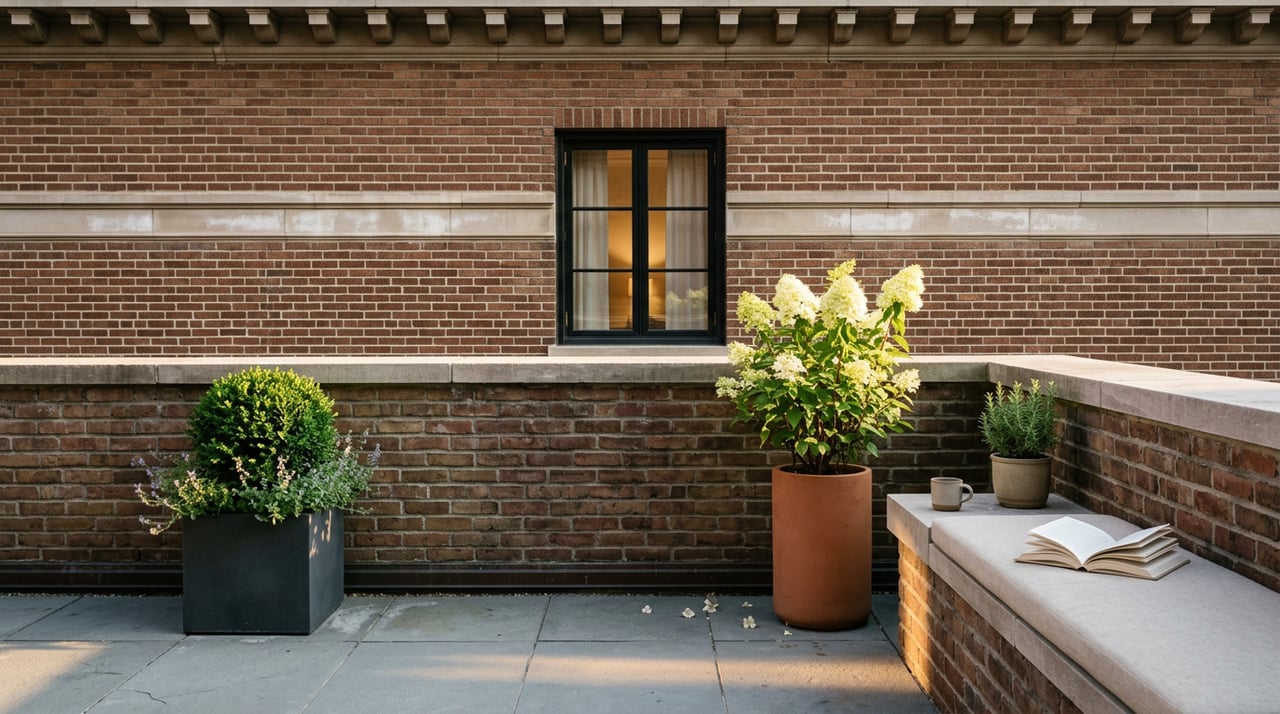
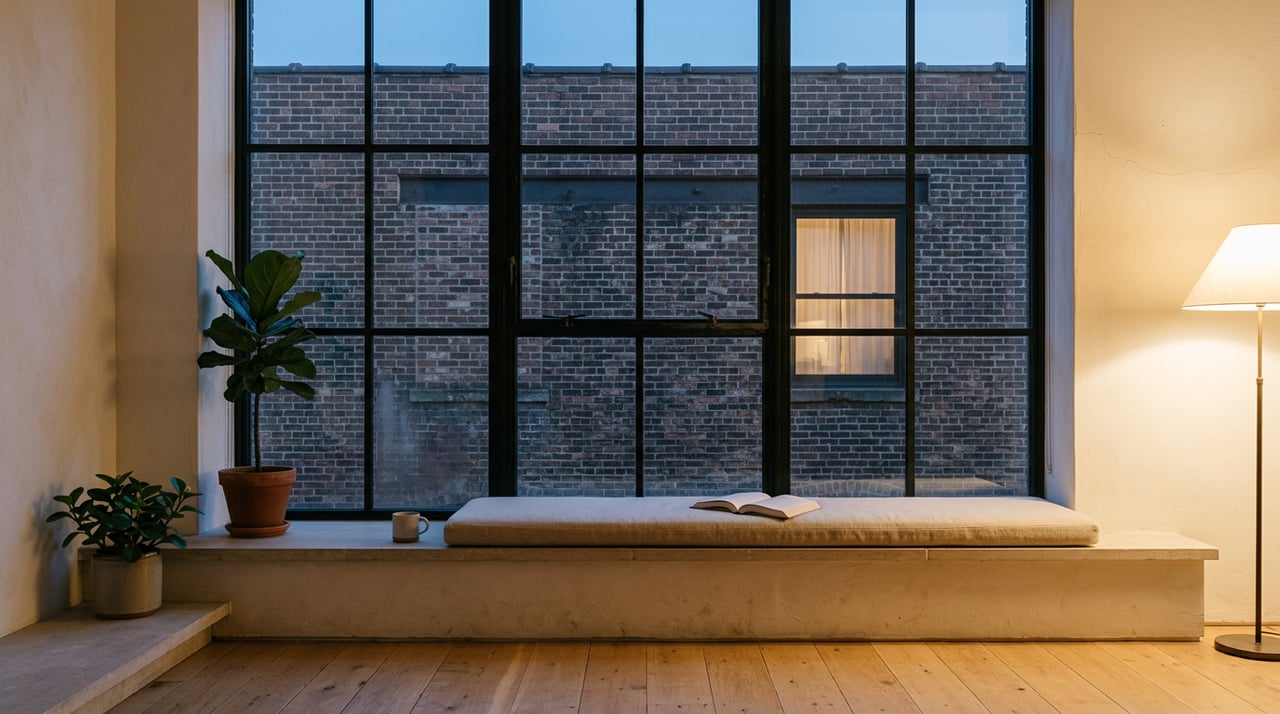
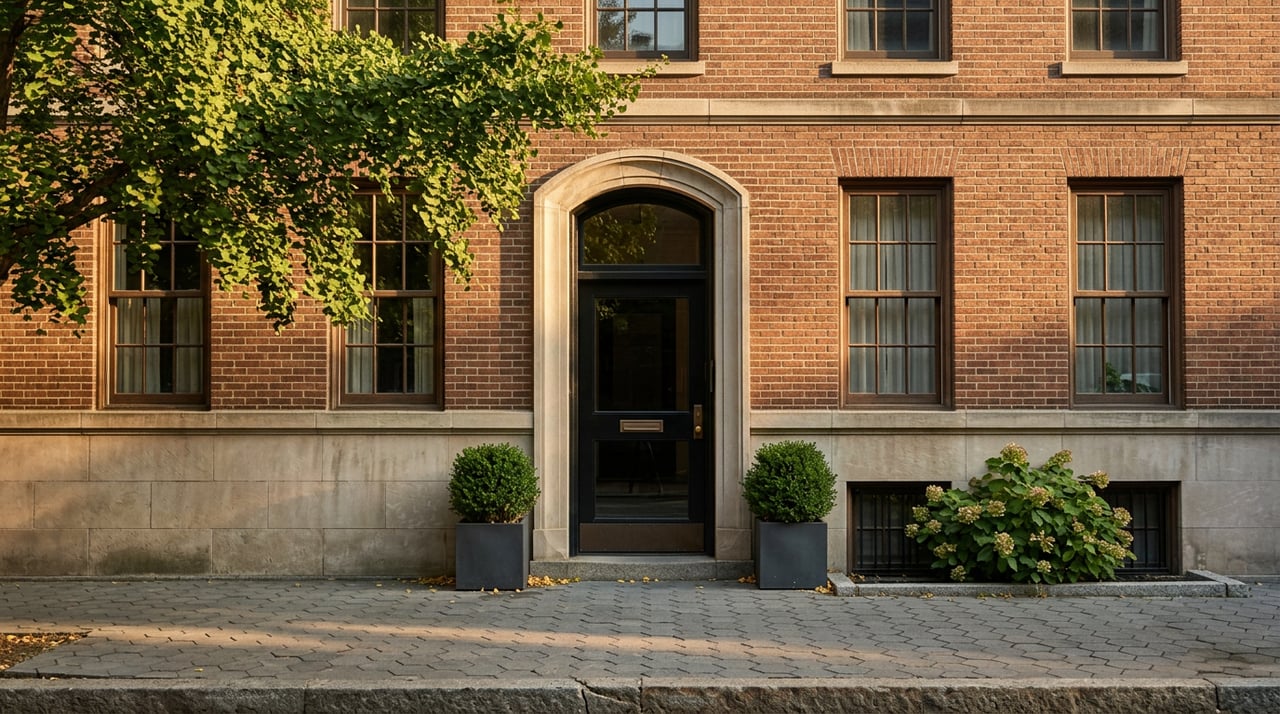
For buyers who care about block character, Greenpoint offers a visible mix of old and new. City planning describes older residential buildings, converted industrial lofts, and 1- to 4-story apartment buildings across the neighborhood. That lower-rise fabric is one of the reasons the inland core feels distinct from newer sections of the Brooklyn waterfront.
The Greenpoint Historic District map outlines a designated historic district around Kent, Calyer, Greenpoint Avenue, Manhattan Avenue, Franklin Street, and nearby blocks. For someone comparing Greenpoint with more uniformly redeveloped waterfront areas, this preserved street pattern is part of what gives the neighborhood depth and continuity.
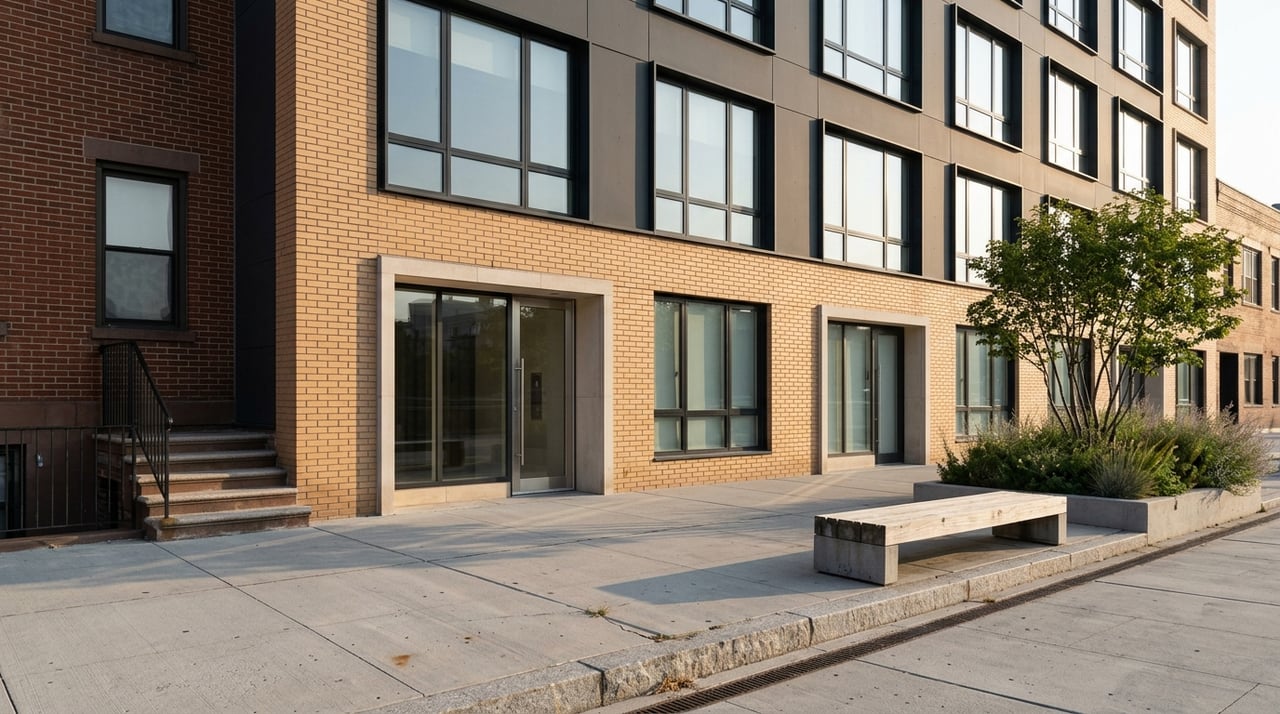
You can see that contrast in the streetscape itself. Some blocks feel rooted in older Brooklyn building patterns, while others sit closer to newer construction and open waterfront views. That combination is a big part of Greenpoint’s appeal.
Waterfront Living Along the East River
The East River side is where Greenpoint’s newer waterfront identity is most visible. Here, the neighborhood opens up with public space, wider views, and a growing inventory of new housing.
WNYC Transmitter Park is one of the area’s best-known waterfront spaces. Its stewards describe it as a waterfront destination with wetland landscaping, a children’s play area, a pedestrian bridge, and Manhattan views. For residents, that means the riverfront is not just scenic, but also usable on a normal weekday.
Further south, Bushwick Inlet Park is described by NYC Parks as the centerpiece of the Greenpoint-Williamsburg Waterfront. It includes a multipurpose field, playground, viewing platform, and public access to the water. Together, these open spaces help define waterfront living in Greenpoint as something that extends beyond the apartment building itself.
Greenpoint Landing and New Housing
The clearest example of the waterfront’s residential transformation is Greenpoint Landing. According to NYC Housing Preservation and Development, the 22-acre site runs along a half-mile of East River frontage and is expected to include about 5,500 homes and five acres of public open space when complete.
That same 2024 HPD announcement highlights 35 Commercial Street, a 22-story waterfront tower that added 374 permanently affordable apartments. HPD also notes the building’s all-electric design and its role in the broader transformation of the Greenpoint waterfront.
For a consumer, the takeaway is simple. Greenpoint’s waterfront now offers a very different housing experience than its interior blocks, with larger buildings, newer amenities, and direct access to open space. If you are comparing home styles, that distinction is essential.
A Second Waterfront on Newtown Creek
Greenpoint’s waterfront identity is not limited to the East River. On the Newtown Creek side, the setting feels more industrial and more tied to infrastructure and resilience.
The DEP’s Gateway to Greenpoint project is planned to add public open space and stormwater infrastructure. DEP also describes the adjacent Nature Walk as a half-mile public waterfront esplanade completed in 2021.
This gives Greenpoint two different waterfront experiences. One is the riverfront leisure edge, where parks and skyline views shape everyday recreation. The other is the creek edge, where public space and environmental projects are helping redefine an industrial shoreline.
Getting Around From Greenpoint
If you are considering Greenpoint, commute style matters. The neighborhood is strongly transit-oriented, and the data backs that up.
The most recent district profile reports that 85.4% of commuters used car-free modes, reinforcing that Greenpoint works best for people who are comfortable relying on transit, walking, and biking. That profile also shows a 35.1-minute mean travel time to work, which gives useful context for day-to-day mobility.
On the subway side, the current MTA G line map shows Greenpoint Av and Nassau Av stations in the neighborhood, with Greenpoint Av listed as ADA accessible. The same map shows transfers at Court Sq to the E, F, and 7, and at Hoyt-Schermerhorn to the A and C. In other words, many Manhattan trips are transfer-based rather than direct.
For some residents, the ferry adds another strong option. The NYC Ferry East River route connects Greenpoint with Wall Street/Pier 11, DUMBO, South Williamsburg, North Williamsburg, Hunters Point South, and East 34th Street. The route page also notes service variations during weekday peak hours and non-winter weekends, but the larger point remains the same: ferry access can be meaningful if you commute toward Midtown or Lower Manhattan.
Housing Mix in Greenpoint
Greenpoint’s housing story is really a story of contrast. Inland, the building stock includes older residential properties, smaller apartment buildings, and converted loft structures. Along the waterfront, newer large-scale construction has added a different kind of housing product.
Because many current datasets are published for the broader Greenpoint/Williamsburg district, the numbers available reflect that combined area. From 2010 to 2024, the district added 24,491 units in buildings with four or more units, and the Furman Center profile for Brooklyn Community District 1 estimates that 79% were market-rate and about 15% were built for low-income households.
The same broader profile shows 910 residential units permitted in 2024 and 3,281 certificates of occupancy issued that year. That helps explain why the neighborhood can feel both established and actively changing at the same time.
What the Market Context Suggests
For renters, the market appears relatively tight. Furman Center reports a 2.0% rental vacancy rate in 2023 and a median gross rent of $2,570 in the broader district. Combined with the 16.1% homeownership rate, that supports the idea that Greenpoint remains heavily renter-oriented.
For buyers, sales activity also points to the types of properties that are active in the area. In the broader district, 2024 sales volume was highest for condominiums at 620 sales, compared with 86 sales for 2- to 4-family buildings and 63 sales for 5+ family buildings. That mix is useful if you are weighing newer condos against smaller multi-family ownership opportunities.
None of this means Greenpoint is one thing. It means you are choosing between different housing experiences within the same neighborhood. Some buyers will prioritize newer waterfront product, while others will prefer the scale and feel of the inland blocks.
Is Greenpoint the Right Fit for You?
Greenpoint can make sense if you want a neighborhood where everyday life still revolves around local streets, independent errands, and transit-based movement, but you also value access to the waterfront. The combination is what makes it stand out. You are not choosing between residential convenience and open-space access. In many parts of Greenpoint, you can have both.
It may be especially appealing if you are comparing Brooklyn neighborhoods and want a clearer split between a lower-rise residential core and a newer waterfront corridor. That layout gives you options in how you live, commute, and spend your time.
If you are weighing Greenpoint against other New York neighborhoods, working with an advisor who understands how lifestyle, building type, and transaction strategy fit together can make the process much easier. When you are ready for thoughtful, high-touch guidance, connect with Cody Parker Hellberg- to schedule a free consultation.
FAQs
What is everyday life like in Greenpoint?
- Everyday life in Greenpoint centers on local retail streets like Manhattan Avenue, transit-based commuting, and a mix of lower-rise residential blocks and active waterfront spaces.
What makes waterfront living in Greenpoint different?
- Waterfront living in Greenpoint includes access to East River parks like WNYC Transmitter Park and Bushwick Inlet Park, plus newer housing at projects such as Greenpoint Landing.
How do you commute from Greenpoint to Manhattan?
- Many Manhattan trips from Greenpoint use the G train with transfers, while the NYC Ferry East River route can also be a practical option for reaching Midtown or Lower Manhattan.
What types of homes are common in Greenpoint?
- Greenpoint includes older residential buildings, smaller apartment houses, converted lofts, and newer waterfront condos and rental buildings.
Is Greenpoint more renter-focused or owner-focused?
- Based on the broader Greenpoint/Williamsburg district profile, Greenpoint is more renter-focused, with a 16.1% homeownership rate and a tight rental market.