Looking for a calmer slice of Manhattan without giving up Midtown convenience? If you want tree‑lined blocks, river breezes, and a low‑key residential feel, Sutton Place might be exactly what you have in mind. You will find classic co‑ops, a few modern condos, pocket parks on the East River, and an easy commute in every direction. In this guide, you will learn what daily life feels like, how co‑ops and condos differ here, and the buyer details to know before you start touring. Let’s dive in.
A riverside quiet spot inside Midtown
Sutton Place sits on the East River between roughly East 53rd and East 59th Streets, from the waterfront back toward First and Second Avenues. The enclave is part of Manhattan Community District 6 and reads like a small neighborhood tucked inside Midtown East. You get intimate blocks and less retail than surrounding areas, which helps keep the streets quiet. For a planning snapshot and boundary context, see the city’s community plan for the East Midtown waterfront area on NYC Planning.
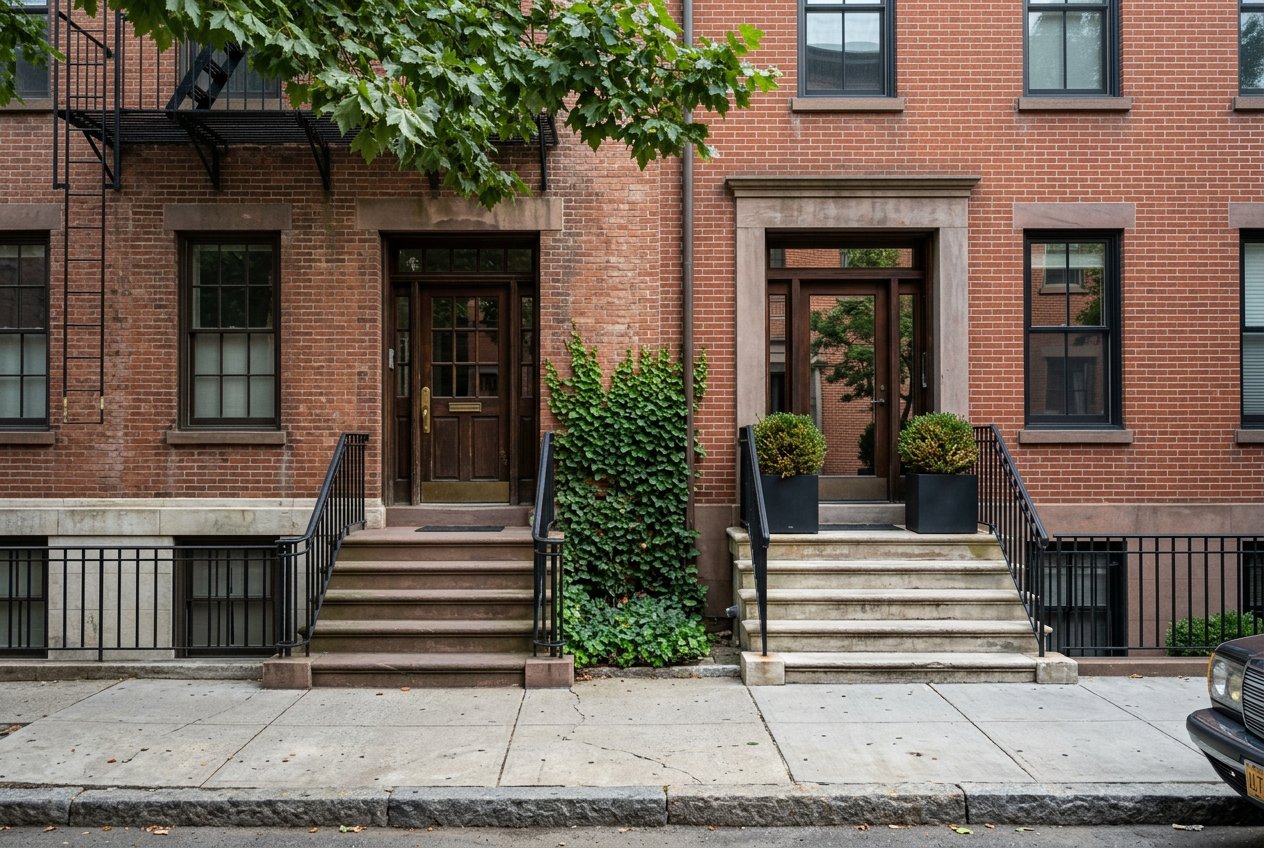
The area’s character blends prewar architecture, tree cover, and small waterfront parks. You are steps from Midtown offices and major avenues, yet Sutton Place feels village‑like and residential. Its reputation as an upscale enclave dates to the early 20th century, when brownstones and elegant apartment houses reshaped the riverfront. For background on the neighborhood’s history and feel, review the Sutton Place overview.
Housing at a glance
Prewar co‑op charm
Sutton Place is defined by full‑service prewar cooperatives with generous layouts, high ceilings, and classic details. Many buildings offer attended lobbies and established resident communities. Signature addresses like One Sutton Place South illustrate the area’s historic co‑op stock and its long‑standing residential appeal. You will see formal dining rooms, fireplaces in some cases, and gracious room sizes that speak to the era in which these buildings were designed. For a sense of a landmark co‑op, explore One Sutton Place South.
Modern condo options
Although co‑ops are the mainstay, you will also find a small number of newer condominium towers, especially near the river. These buildings introduce contemporary finishes, in‑building gyms, lounges, and other lifestyle amenities. A high‑profile example is Sutton Tower at 430 East 58th Street, which showcases multi‑floor amenities, a pool, and modern condo conveniences. If you want flexibility and full amenities, learn about this trend through Sutton Tower’s amenity profile.
Co‑ops vs. condos: how the process differs
Buying in Sutton Place often starts with one big decision: co‑op or condo. The experience and costs differ in important ways.
- Co‑ops typically require a board package and interview, along with detailed financial disclosures and building‑specific rules for subletting or pied‑a‑terre use. Get a quick primer on NYC co‑ops and condos from this building types guide.
- Monthly costs are structured differently. In co‑ops, your maintenance charge often includes the building’s property taxes, heat and hot water, and shared expenses. In condos, you pay common charges plus your own property tax bill. For a simple explanation, read this overview of common charges vs. maintenance.
- Newer condos here may allow more flexible use policies and have no board interview in most cases. Co‑ops tend to be more selective, which can influence your timeline and requirements.
If you are drawn to classic prewar details and long‑established buildings, a Sutton Place co‑op may be the right fit. If you prefer amenity‑rich living and a simpler approval path, focus on the newer condo inventory.
What it costs today
Market trackers often show Sutton Place trading below the very top Manhattan price tiers, with premiums for river views and for newer condo product. Co‑op prices and condo prices typically diverge, since modern amenities and views can push condo numbers higher while classic co‑ops trade across a wider range. Providers measure slightly different timeframes and data sets, so always confirm current medians and price‑per‑square‑foot by the week you plan to act. Your budget will go further in co‑ops in many cases, while condos command a premium for flexibility and services.
If you are weighing product types, align your search with how you want to live. A renovated prewar co‑op may deliver more space and charm per dollar. A riverfront condo may deliver amenities and easier approvals. In both cases, review building financials, any assessments, and sublet or financing policies.
Parks, esplanade access, and the river
Sutton Place owes much of its calm to its network of pocket parks along the East River. You will find Sutton Place Park and a string of small river‑edge green spaces where you can sit with a coffee, read, or watch boats move along the channel. These spaces are compact, but they feel intimate and well placed on sunny days. Get a quick sense of these public areas at the NYC Parks page for Sutton Place Park.
Waterfront access has been improving through the East Midtown Greenway initiative, which is connecting segments of the East River Esplanade and adding new public open space. For context on the scope of the project, the city’s development authority provides an overview of the planned improvements to the waterfront corridor along this stretch. You can preview the concept in the East Midtown Waterfront documentation.
There is also a long local history of balancing private building gardens with public waterfront access. That story, including past efforts to recapture portions of private grounds for public use, explains why green space and views are central to neighborhood identity.
Getting around
Despite its quiet streets, Sutton Place offers an efficient Midtown commute. Your nearest major subway hub is Lexington Avenue and 59th Street, where the 4, 5, and 6 lines connect with the N, R, and W. You can also walk to Lexington and 63rd for the F and Q, or to Lexington and 53rd for the E and M. To visualize key routes in the area, check the MTA’s 5 line map, then layer in nearby connections.
Drivers use the FDR Drive along the river, with pedestrian bridges and stairs at several points linking neighborhood streets to the esplanade. Taxis and ride‑hail service are easy to find on First and Second Avenues.
Schools and services
Public school zoning in this part of Midtown East typically includes P.S. 59, also known as Beekman Hill International. Families often note the school’s proximity and Midtown convenience. Enrollment zones and admissions policies can change, so verify current information with the Department of Education and the school directly as part of your planning. Local playgrounds, pocket parks, and the esplanade improvements add open‑air options close to home.
Everyday shopping and dining
Sutton Place is lightly commercial compared with many Midtown neighborhoods. You will rely on local delis, cafes, and essential services, then walk a few blocks to the larger corridors for a broader restaurant scene and shopping. The dining landscape of Midtown and the Upper East Side is right next door, with long‑running classics and new options that rotate in over time. This is a residential enclave with convenient access to everything, not a nightlife district.
Development and preservation
Sutton Place residents pay close attention to scale, views, and parks. The community has organized around past proposals for very tall towers near East 58th Street, which shaped local debates about height and density. A snapshot of this discussion appears in news coverage of the Sutton Place skyscraper proposal. This context helps explain why the neighborhood still feels lower‑scale than some nearby blocks and why the riverfront experience remains a priority.
Who Sutton Place fits best
- You value calm streets, river views, and parks, with Midtown offices and transit within a short walk.
- You like prewar architecture and full‑service buildings, or you want a newer condo with amenities.
- You prefer a residential pocket that is close to shopping and dining, without heavy retail right on your block.
- You want a manageable commute to Midtown corridors, the UN area, and the Upper East Side.
Buyer checklist for Sutton Place
Use this quick list to shop smart and avoid surprises.
- Confirm building type. Is it a co‑op or a condo. The purchase process, closing costs, and approval steps differ. Start with this NYC co‑op vs. condo guide.
- Understand monthly charges. Co‑op maintenance often includes the building’s property tax allocation and some utilities. Condos separate common charges and your own tax bill. Read this overview of maintenance vs. common charges.
- Ask about board rules. Each building sets policies on financing, sublets, pied‑a‑terres, and renovations. Review house rules, offering plans, and minutes with your agent and attorney.
- Check for assessments and capital projects. Ask about planned facade work, elevators, roof, or energy upgrades and how they may affect costs or timing.
- Verify current market figures. Medians and price per square foot move with inventory and season. Pull up‑to‑date data the week you offer.
- Confirm park and esplanade access. The East Midtown Greenway is expanding in phases. Preview the plan in the city’s project documentation and walk the blocks you will use most.
- Map your commute. Test walking times to Lexington Avenue hubs and your most used lines. If you drive, note FDR access points and garage availability near your building.
Final thoughts
Sutton Place gives you a quiet, river‑facing neighborhood right in the heart of Midtown East. You will choose between classic prewar co‑ops and a handful of modern condos, enjoy pocket parks and a growing waterfront greenway, and keep daily life simple with short walks to transit and services. If you are considering a move, you will benefit from an advisor who knows co‑op boards, condo rules, and neighborhood nuance.
Have questions about a building, board package, or upcoming sale in Sutton Place. Reach out to Cody Parker Hellberg to schedule a free consultation.
FAQs
Where is Sutton Place in Manhattan and what is it like
- Sutton Place runs along the East River from about East 53rd to East 59th Streets, with a quiet, village‑like residential feel and less retail than surrounding Midtown blocks.
What kinds of homes are common in Sutton Place
- You will find mostly full‑service prewar co‑ops, plus some mid‑century buildings and a few newer riverfront condos that add modern amenities.
How is the commute from Sutton Place
- You can walk to the Lexington Avenue and 59th Street hub for the 4, 5, 6 and N, R, W lines, with the F and Q at Lexington and 63rd and the E and M at Lexington and 53rd.
Are there parks and waterfront access in Sutton Place
- Yes, there are several pocket parks including Sutton Place Park, and access is expanding through the East Midtown Greenway, which is connecting and enhancing the East River Esplanade.
What should a first‑time co‑op buyer know in Sutton Place
- Expect a board package and interview, building‑specific policies on financing and subletting, and maintenance that often includes the building’s property tax allocation and shared expenses.