Wondering whether a Lenox Hill co-op or condo is the better fit for your next move? In this part of the Upper East Side, that choice often comes down to more than price or square footage. You are usually weighing two very different ownership structures, building cultures, and day-to-day experiences within just a few blocks of each other. This guide will help you understand how co-op and condo living works in Lenox Hill, what to compare before you buy, and how to make a more confident decision. Let’s dive in.
Why Lenox Hill Feels Different
Lenox Hill sits within the Upper East Side, but it has a distinct residential feel shaped by both older apartment stock and continued multifamily development. Recent neighborhood data shows a 37.9% homeownership rate in 2024, and the area ranked as the city’s fourth largest neighborhood by population. From 2010 to 2025, it also added 4,025 units in buildings with four or more units, with 85% classified as market-rate and 7% as income-targeted.
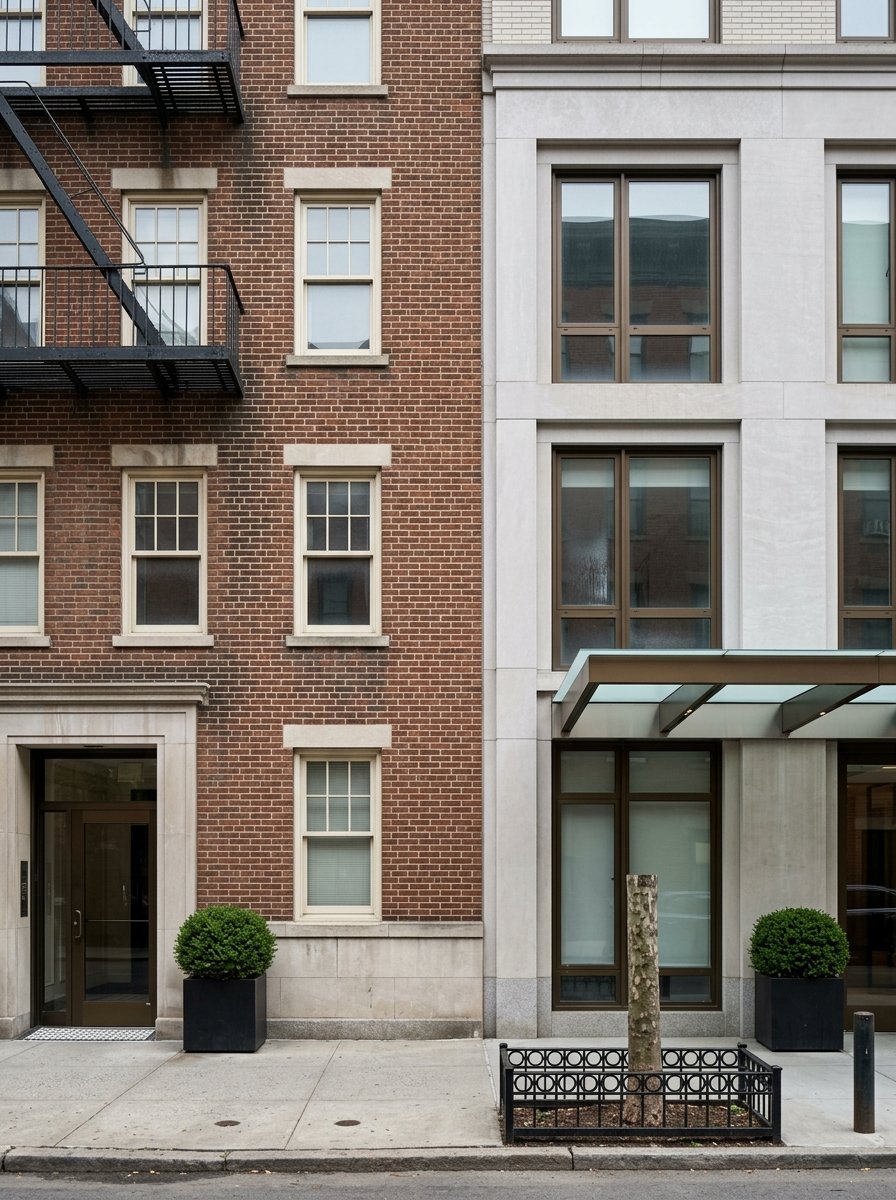
That mix helps explain why buyers often find both classic co-ops and newer condos in close proximity. Zoning patterns also shape the housing stock, with R8B midblocks, R9X along Lexington Avenue, and R9 near the FDR Drive. In practical terms, you can walk a short distance and see meaningful shifts in building scale, age, and layout.
Many Lenox Hill buyers are drawn to the area’s established apartment-house character. Historic district materials for the broader Upper East Side describe intact rows and 1920s apartment houses, especially along Lexington Avenue. That older, elevator-building character still influences what many buyers tour today.
Co-op Ownership in Lenox Hill
A co-op purchase is not the same as buying real property in the usual sense. In a cooperative, you buy shares in a corporation that are tied to a specific apartment, and you receive a long-term proprietary lease for that unit. Your monthly maintenance is based on the number of shares allocated to your apartment.
This structure is common in Manhattan, and it is a major part of the Lenox Hill housing landscape. If you are considering a prewar building or an established full-service property, there is a good chance you will be looking at a co-op. For many buyers, the appeal is the combination of classic layouts, established building operations, and a long-standing residential feel.
Co-op living also means you should pay close attention to building-level information early in the process. New York’s Attorney General advises buyers to examine the offering plan, understand ongoing charges, and review the building’s financial reports and board minutes. Those documents can reveal important issues related to facades, roofs, elevators, plumbing, electrical systems, heating, and boilers.
Condo Ownership in Lenox Hill
A condo works differently. In a condominium, you hold title to your unit and an undivided interest in the common areas. You are also individually responsible for your title and for your share of association expenses.
For buyers who want deeded ownership, that legal structure can feel more straightforward. In Lenox Hill, condos are often part of the conversation when you are comparing building age, ownership style, and flexibility within the same general area. That is why many buyers here are not simply deciding between neighborhoods. They are deciding between ownership models on the same set of blocks.
Condos still require careful review of the building’s condition and finances. The same due diligence principles apply. You should understand ongoing costs, confirm the physical condition of the property, and budget for building-wide repairs that may matter more than cosmetic updates inside a unit.
Co-op vs Condo: What Changes for You
If you are choosing between the two, the biggest difference is ownership structure. A co-op is share-based with a proprietary lease, while a condo is a deeded unit with a common-interest component. That legal difference can affect everything from monthly charges to the paperwork you review before closing.
It also changes how you think about the building itself. In either case, you are not just buying the apartment. You are stepping into an existing system of shared operations, long-term maintenance, and building-wide decision-making.
Here is a simple side-by-side view:
| Feature | Co-op | Condo |
|---|---|---|
| What you buy | Shares in a corporation tied to the apartment | Title to the unit |
| Occupancy right | Proprietary lease | Deeded ownership |
| Monthly charges | Maintenance based on allocated shares | Share of association expenses |
| Common areas | Managed through the corporation | Undivided interest in common areas |
What Closing Costs Can Include
Closing costs matter in both ownership types. According to New York City Finance, the city’s Real Property Transfer Tax applies to both condominium unit transfers and transfers of cooperative housing stock shares. That means buyers should plan for this tax as part of their overall closing costs.
This is one reason it helps to compare co-ops and condos on total cost, not just asking price. Monthly charges, closing costs, and the condition of building systems can all shape the real cost of ownership. In Lenox Hill, where many buyers are evaluating buildings with very different ages and structures, that comparison is especially important.
What Daily Life Looks Like in Lenox Hill
Lenox Hill’s appeal is not only about the apartment itself. It is also about how easily the neighborhood supports everyday routines. If you want an East Side location with strong transit, access to open space, and established community infrastructure, Lenox Hill checks many of those boxes.
Transit Around 10021
Lenox Hill is especially transit-rich for the East Side. The first phase of the Second Avenue Subway opened in 2017 and extended Q service from 63rd Street to 96th Street, with stations at 72nd, 86th, and 96th Streets. The MTA has said this expansion reduced crowding on the 4/5/6 lines by an average of 40%.
Bus service also strengthens neighborhood mobility. East Side improvements include the M15 SBS on First and Second Avenues, while crosstown routes like the M79 and M86 connect the Upper East Side to multiple subway lines and major destinations. If your daily routine depends on moving north-south and east-west with flexibility, this matters.
Parks and Outdoor Access
Outdoor access is another practical benefit. Central Park includes 10021 among its zip codes, which places one of the city’s most important open spaces close to home for many Lenox Hill residents. That can shape everything from morning walks to weekend plans.
You also have access to the East River waterfront. The East River Esplanade segment from East 70th Street to East 75th Street is part of the city’s greenway network. In real life, that gives you another option for walking, fresh air, and a change of pace close to the neighborhood core.
Community Services Nearby
Lenox Hill also has a strong community-services anchor in Lenox Hill Neighborhood House on East 70th Street. The organization offers social, educational, legal, health, housing, mental health, nutritional, and fitness services. For buyers who value established neighborhood institutions, that presence adds another layer of day-to-day support and connection.
Due Diligence Matters More Here
In Lenox Hill, you may be comparing a classic prewar co-op to a newer condo just a few minutes apart. That makes due diligence especially important, because two apartments with similar bedrooms or square footage can come with very different building realities. A polished lobby or updated kitchen does not tell you everything you need to know.
The New York Attorney General recommends reviewing the offering plan, financial reports, board minutes, and the building’s physical condition. You should also budget for system-level repairs, not just renovations inside the apartment. Facade work, roof issues, elevator upgrades, plumbing, electrical systems, heating, and boilers can all become meaningful factors in ownership costs.
If a building sits within a historic district, exterior work may come with another layer of review. The Landmarks Preservation Commission notes that most exterior alterations require Commission approval. That can affect windows, facade repairs, rooftop work, and other visible changes.
How to Choose the Right Fit
The best choice usually comes back to how you want to live and what kind of ownership structure feels right to you. In Lenox Hill, the question is often less about whether the neighborhood works and more about which building type matches your priorities. You are often choosing between two strong options in the same highly walkable setting.
A smart comparison should include:
- Ownership structure
- Monthly ongoing charges
- Closing costs and taxes
- Building condition
- Recent or upcoming system repairs
- Exterior rules if the building is in a historic district
- How the building fits your daily routine around transit and open space
When you look at Lenox Hill through that lens, the choice becomes clearer. You stop comparing only finishes and start comparing the full ownership experience.
If you are weighing a Lenox Hill co-op against a condo, careful guidance can save you time and help you focus on the buildings that truly fit your goals. For thoughtful, board-savvy Manhattan guidance, connect with Cody Parker Hellberg-.
FAQs
What is the main difference between a Lenox Hill co-op and condo?
- In a co-op, you buy shares in a corporation tied to the apartment and receive a proprietary lease. In a condo, you own title to the unit plus an undivided interest in the common areas.
What should buyers review before buying in Lenox Hill?
- Buyers should review the offering plan, building financial reports, board minutes, ongoing charges, and the physical condition of major systems like the roof, facade, elevators, plumbing, electrical, heating, and boiler.
Do co-ops and condos in New York City have different transfer tax treatment?
- New York City’s Real Property Transfer Tax applies to both condominium unit transfers and transfers of cooperative housing stock shares.
Why do many Lenox Hill buyers compare co-ops and condos so closely?
- Because classic co-op buildings and newer condos can sit within a short walk of each other, buyers are often comparing ownership style and building culture within the same neighborhood rather than choosing between distant areas.
What makes daily life convenient in Lenox Hill?
- Lenox Hill offers access to Q train stations at 72nd, 86th, and 96th Streets, bus routes including the M15 SBS, nearby crosstown service, Central Park access, and waterfront walking along the East River Esplanade.
Can historic district rules affect a Lenox Hill building?
- Yes. If a building is in a historic district, many exterior alterations may require approval from the Landmarks Preservation Commission, which can affect windows, facade work, rooftop work, and other visible changes.